Proven Human Capital Management Solutions

Proven Human Resources Solutions

Proven

Human Resources Solutions

We handle payroll, benefits, compliance and risk so you can focus on your business

We handle payroll, benefits,

compliance and risk. You can focus on your business.

We handle payroll, benefits, compliance and risk so you can focus on your business

Trusted by over 500+ companies

Solutions Overview

HR Solutions That Work

Supporting clients with the services they need to succeed.

HR

Optimize workforce management with HR expertise that adapts to your culture, policies, and compliance needs.

HR

Optimize workforce management with HR expertise that adapts to your culture, policies, and compliance needs.

Payroll

Gain control of your business finances with streamlined systems for budgeting, expenses, and compliance tracking.

Payroll

Gain control of your business finances with streamlined systems for budgeting, expenses, and compliance tracking.

Finance

Deliver accurate, on-time payroll every cycle with built-in compliance and clear, customized reporting.

Finance

Deliver accurate, on-time payroll every cycle with built-in compliance and clear, customized reporting.

Benefits

Offer competitive employee benefits with seamless administration and compliance with company policies.

Benefits

Offer competitive employee benefits with seamless administration and compliance with company policies.

Taxes

Stay ahead of tax obligations with accurate calculations, filings, and year-end reporting handled for you.

Taxes

Stay ahead of tax obligations with accurate calculations, filings, and year-end reporting handled for you.

Recruiting

Secure top talent quickly with structured recruiting solutions tailored to your hiring goals.

Recruiting

Secure top talent quickly with structured recruiting solutions tailored to your hiring goals.

Partner for Growth

Why Outsource with C2

Businesses that outsource HR grow faster, achieve higher profitability, experience lower turnover, and foster happier employees. Stay focused on your business.

C2 will, too.

0
0

%

Clients Would Recommend

0
0

%

Increased
Profitability

0
0

%

Increase In Revenue

0
0

%

Lower Failure Rate

0
0

%

Improved
Retention

0
0

%

Costs

Savings

c2 connection

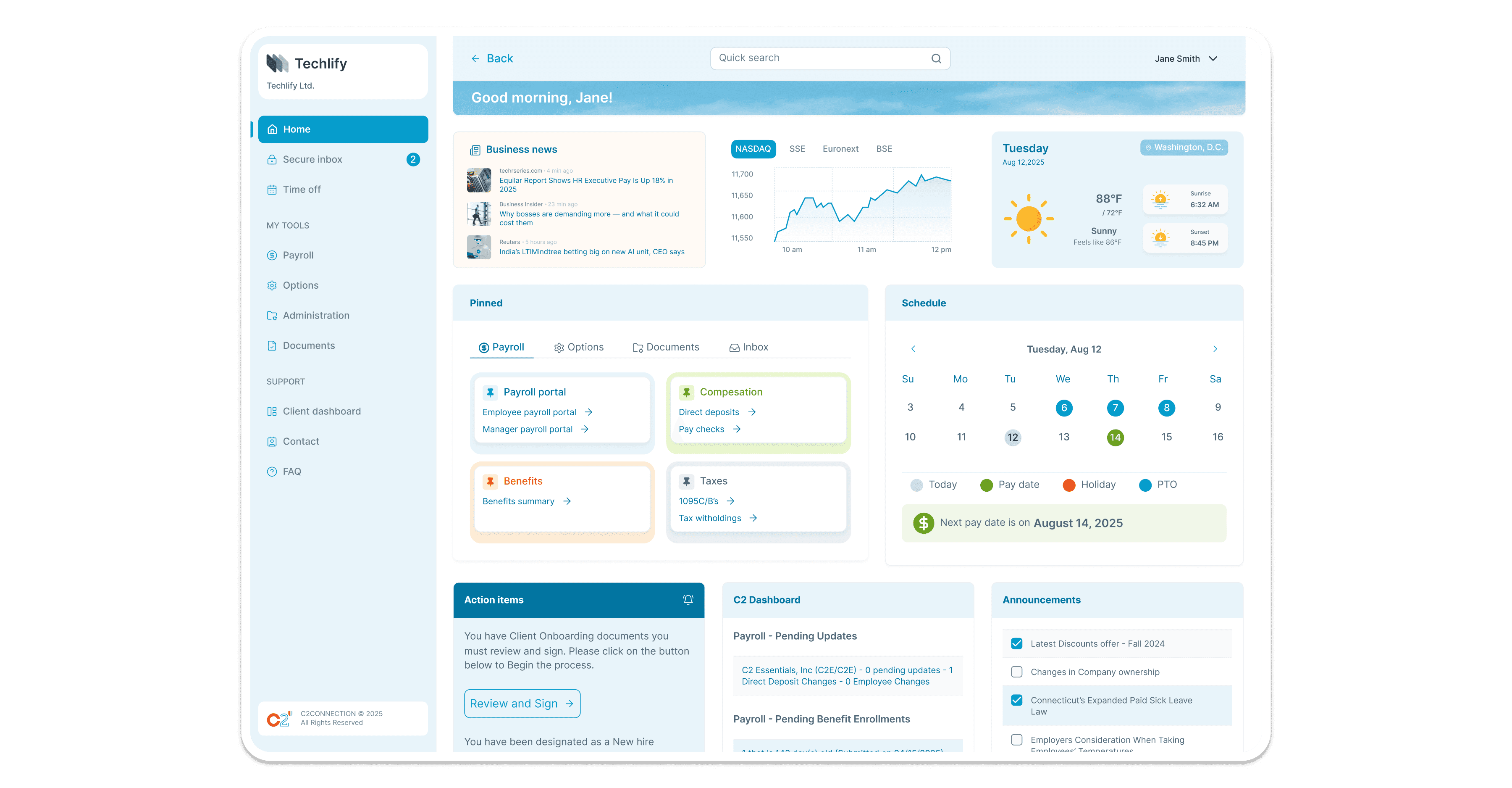
One Platform for All HR Needs

Your control center for HR, payroll, benefits, and compliance.

Home

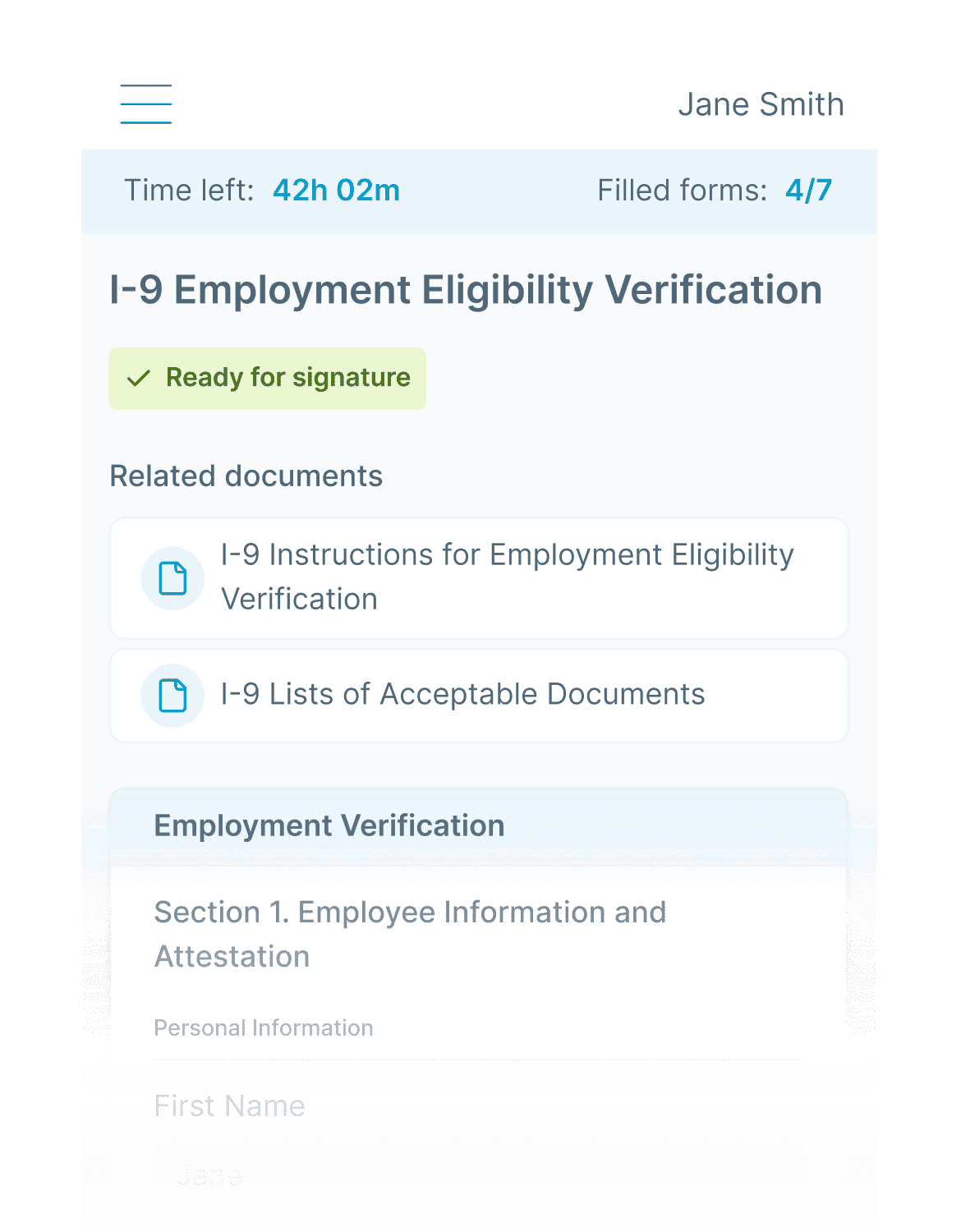
Employment verification

Schedule

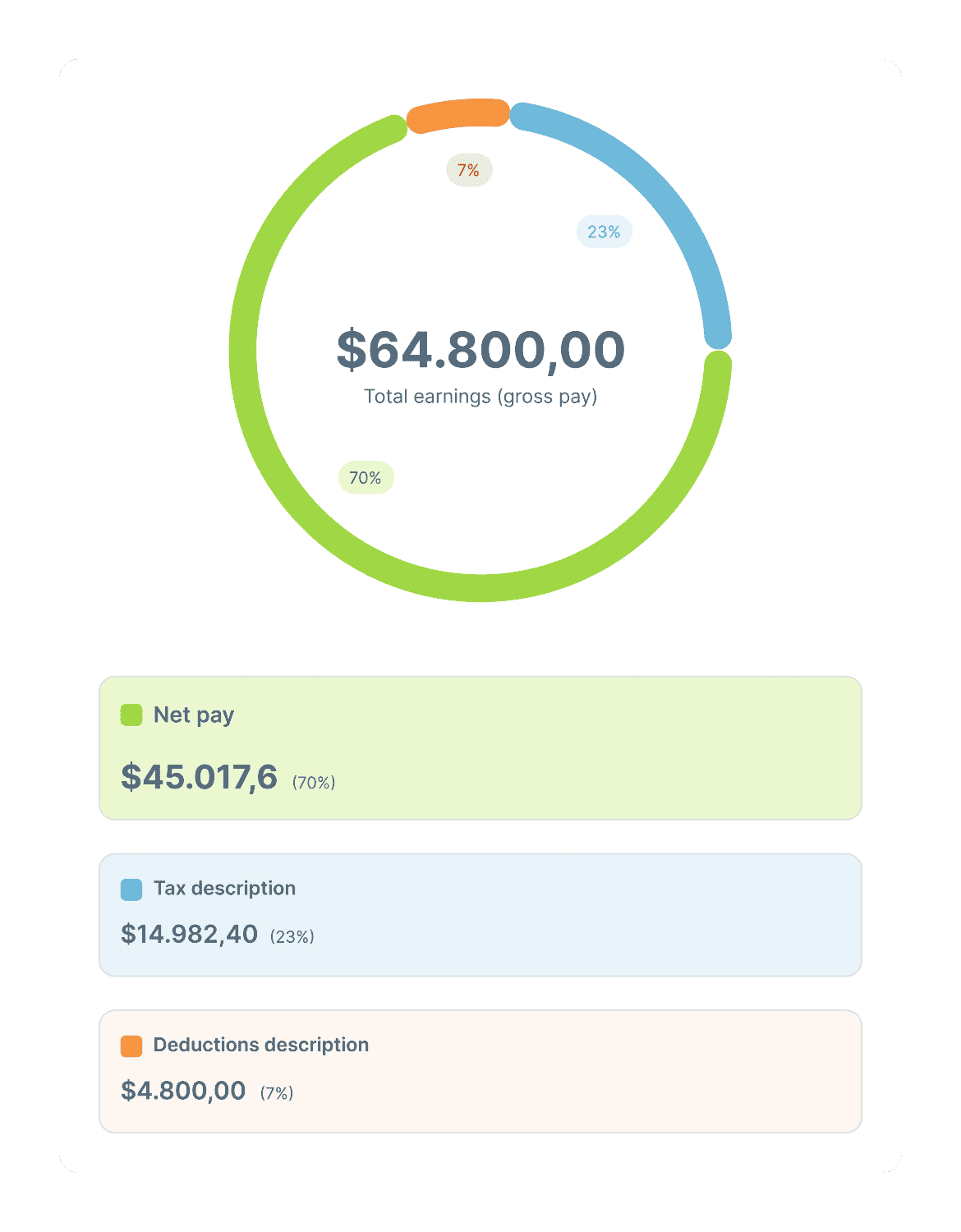
Payroll

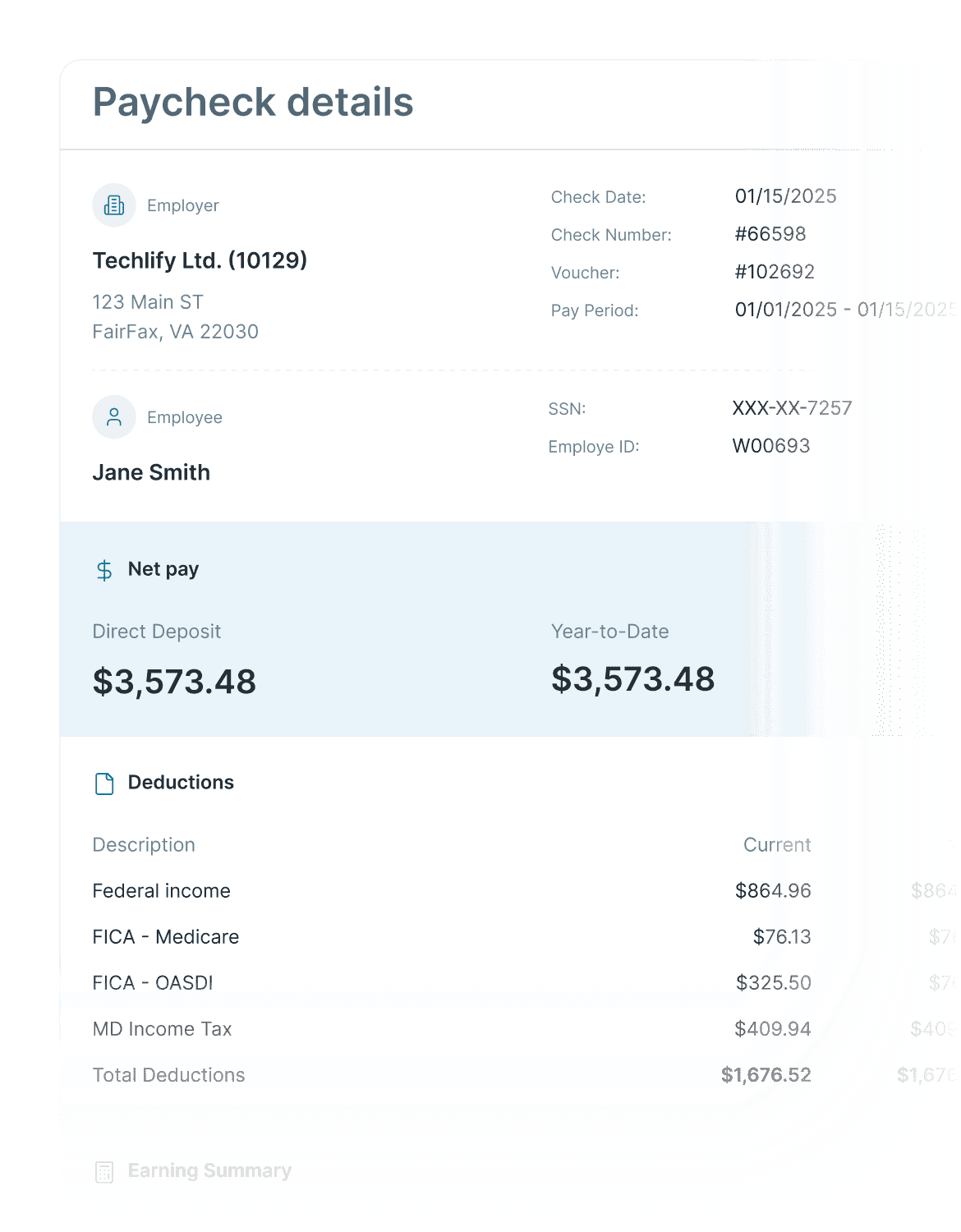
Pay checks

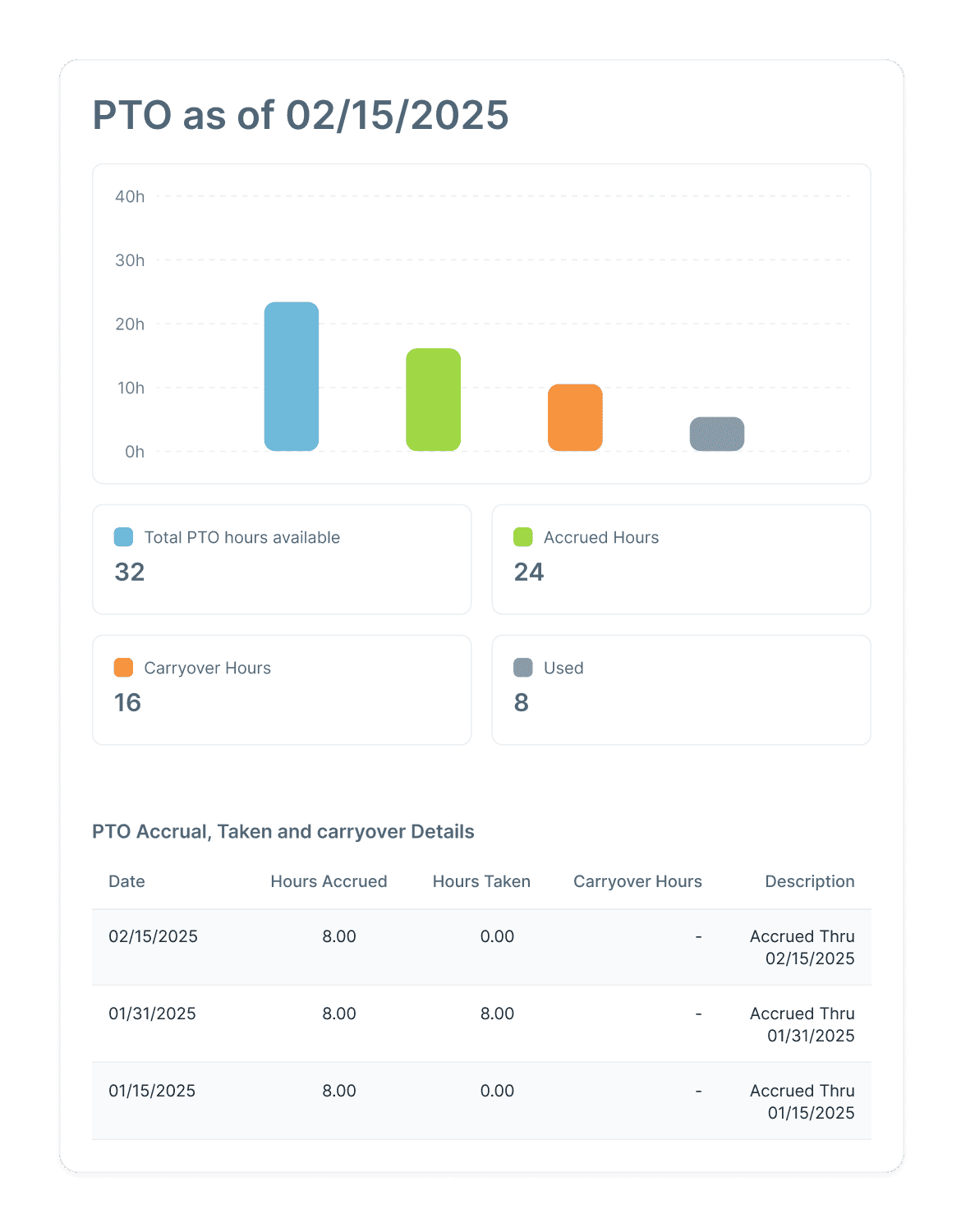
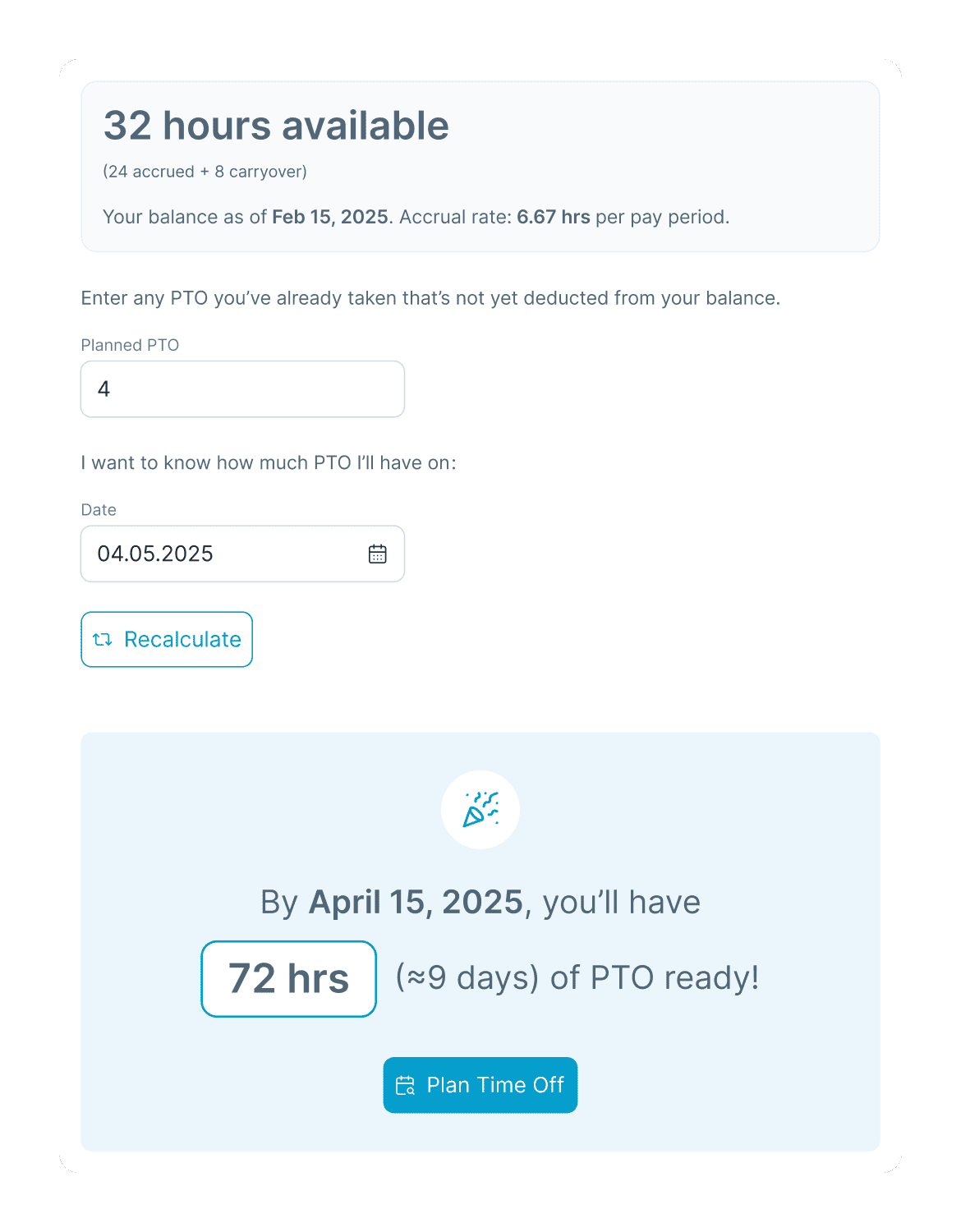
Paid time off

PTO calculator

A task list on a sky background shows five items; two are "Completed," three are "Incomplete." "Forms are ready for E-sign" for "James Smith" with 4 days left.

Home

Employment verification

Schedule

Payroll

Pay checks

Paid time off

PTO calculator

A task list on a sky background shows five items; two are "Completed," three are "Incomplete." "Forms are ready for E-sign" for "James Smith" with 4 days left.

Home

Employment verification

Schedule

Payroll

Pay checks

Paid time off

PTO calculator

A task list on a sky background shows five items; two are "Completed," three are "Incomplete." "Forms are ready for E-sign" for "James Smith" with 4 days left.
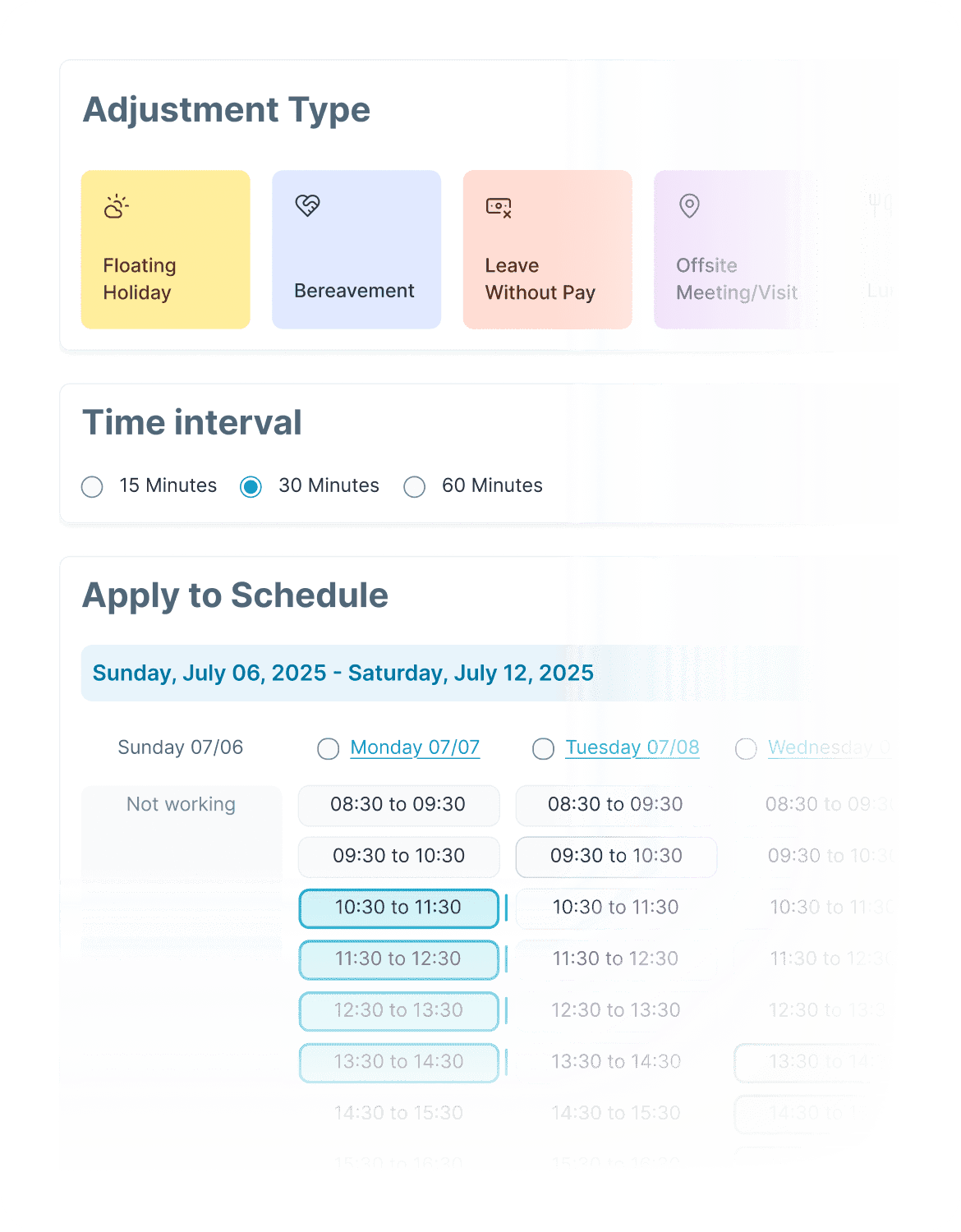
Schedule
Carousel image
Carousel image
Carousel image
Carousel image
Carousel image
Carousel image

HR models

Choose the HR Model That
Fits Your Business

Choose the HR Model That Fits Your Business

Whether you need full-service co-employment or flexible admin support,
C2 offers the model that fits your growth stage and compliance needs.

Whether you need full-service co-employment or flexible admin support, C2 offers the model that fits your growth stage and compliance needs.

PEO - Professional Employer Organization

PEO Support — Make C2 Your Employer of Record

Let C2 become your Employer of Record so you can share liability, simplify HR, and access big-company benefits.

What’s Included:

Shared liability protection including Employment Practices Liablity Insurance coverage

Large-group health, dental, vision, and retirement benefits

Payroll & tax administration

Recruiting & HR administration

ASO – Administrative Services Organization

PEO - Professional Employer Organization

PEO Support — Make C2 Your Employer of Record

Let C2 become your Employer of Record so you can share liability, simplify HR, and access big-company benefits.

What’s Included:

Shared liability protection including Employment Practices Liablity Insurance coverage

Large-group health, dental, vision, and retirement benefits

Payroll & tax administration

Recruiting & HR administration

ASO – Administrative Services Organization

PEO - Professional Employer Organization

PEO Support — Make C2 Your Employer of Record

Let C2 become your Employer of Record so you can share liability, simplify HR, and access big-company benefits.

What’s Included:

Shared liability protection including Employment Practices Liablity Insurance coverage

Large-group health, dental, vision, and retirement benefits

Payroll & tax administration

Recruiting & HR administration

ASO – Administrative Services Organization

PEO - Professional Employer Organization

PEO Support — Make C2 Your Employer of Record

Let C2 become your Employer of Record so you can share liability, simplify HR, and access big-company benefits.

What’s Included:

Shared liability protection including Employment Practices Liablity Insurance coverage

Large-group health, dental, vision, and retirement benefits

Payroll & tax administration

Recruiting & HR administration

ASO – Administrative Services Organization

Proof & Trust

Trusted by Businesses Nationwide

“C2 helped us capture new contracts and scale our organization not only through its robust HR services, but especially because of its expertise in the government contracting space.”

James Smith

James Smith - CEO

0
0
0

+

+

Companies

0
0
0

+

+

Years of experience

0
0
0

+

+

HR experts

10,000
10,000
10,000

+

+

Happy users

Proof & Trust

Trusted by Businesses Nationwide

“C2 helped us capture new contracts and scale our organization not only through its robust HR services, but especially because of its expertise in the government contracting space.”

James Smith

0

+

Companies

0

+

Years of experience

0

+

HR experts

10,000

+

Happy users

Aug 14, 2025

Top HCM Strategies to Transform Your Workforce Management

Looking for ways to optimize your workforce? This article covers key HCM strategies that can help you maximize employee potential and align your HR efforts with business goals.

From employee engagement to leveraging cutting-edge technology, discover actionable insights to transform your human capital management approach.

Key Takeaways

  • Human Capital Management (HCM) integrates employee development, performance management, and workforce planning to enhance organizational efficiency and employee engagement.

  • Effective HCM strategies align with business objectives, leveraging technology and data analytics to improve productivity, reduce turnover, and foster competitive advantage.

  • Key components of successful HCM include employee engagement initiatives, robust talent acquisition and retention strategies, and efficient performance management systems.

Understanding Human Capital Management

Human Capital Management is a holistic approach to managing and optimizing a company’s workforce. It encompasses a wide range of practices aimed at developing employees’ skills, enhancing their engagement, and aligning their performance with organizational goals. Unlike traditional human resources (HR), which often focuses on administrative tasks, HCM takes a more strategic approach to improve human capital management, integrating workforce planning, performance management, and employee development into a cohesive strategy.

HCM is not just about managing employees; it’s about maximizing their potential. Prioritizing employee experience and organizational effectiveness can significantly enhance human capital management. This means investing in employees’ skills and career development, fostering a positive work environment, and making sure every team member feels valued and engaged.

When done correctly, HCM can drive higher productivity, innovation, and ultimately, business success through an effective HCM solution.

The Role of HCM in Business Strategy

Incorporating Human Capital Management into your business strategy is not just beneficial; it’s essential. Companies with effective HCM strategies are significantly more likely to outperform their competitors, achieving up to 2.5 times better performance. A strong HCM framework fosters higher productivity by providing employees with the necessary support, training, and development opportunities.

Moreover, a well-executed HCM strategy can lead to cost savings, improved labor efficiency, and increased employee morale. By leveraging advanced HR technologies and real-time data analytics, organizations can make informed decisions based on workforce trends, ensuring that they are always one step ahead.

This alignment between HCM and overall business strategy not only enhances competitive advantage but also ensures compliance with labor laws and reduces compliance-related risks.

Key Components of Effective HCM Strategies

Effective Human Capital Management strategies are built on several key components that work together to enhance workforce management and drive business success. These components include employee engagement initiatives, talent acquisition and retention strategies, and performance management systems. Focusing on these areas helps organizations create a positive employee experience, foster a culture of engagement, and align their workforce with strategic human capital management strategies.

Employee engagement initiatives are crucial for creating a supportive work environment that encourages innovation and collaboration. These initiatives can include continuous skill development for new employees, career advancement opportunities, and regular performance reviews throughout the employee lifecycle, ultimately enhancing employee performance.

Talent acquisition and retention strategies focus on attracting the right talent, providing competitive benefits, and optimizing talent management through data analytics. Performance management systems, on the other hand, involve setting clear performance expectations, providing continuous feedback, and using data analytics to inform strategic planning.

Integrating these key components into a comprehensive HCM strategy ensures a productive, engaged, and motivated workforce that contributes to the company’s success. This holistic approach to HCM helps HR teams align their efforts with the organization’s overall business strategy, leading to better outcomes for both employees and the company as a whole.

Employee Engagement Initiatives

Employee engagement is a cornerstone of effective Human Capital Management. When employees are engaged, they are more likely to be productive, innovative, and committed to their work. Implementing engagement initiatives as part of an HCM strategy involves continuous skill development, career advancement opportunities, and creating meaningful work experiences. These initiatives not only help employees grow professionally but also foster a sense of belonging and purpose within the organization.

A robust HCM strategy that prioritizes employee engagement can lead to better retention rates and reduced workforce attrition. Focusing on the onboarding process, providing regular performance reviews, and making employees feel valued and supported creates a positive work environment that encourages long-term commitment. This, in turn, helps reduce turnover and ensures that the organization retains its top talent, contributing to overall business success.

Talent Acquisition and Retention

Attracting and retaining top talent is a critical aspect of Human Capital Management.

Key strategies include:

  • Offering competitive benefits and a positive work environment to attract high-caliber candidates.

  • Utilizing data analytics tools to forecast workforce needs.

  • Identifying skill gaps within the organization.

  • Optimizing talent management strategies based on data insights.

This data-driven approach ensures that the organization is always prepared to meet its talent requirements and can adapt to changing labor markets and workforces.

Effective talent acquisition and retention strategies go beyond just hiring the right people; they also involve creating an environment where employees feel valued and supported. This includes providing career development opportunities, offering competitive compensation packages, and ensuring a positive onboarding experience for new hires. By focusing on these areas, organizations can reduce turnover, retain their best talent, and drive business growth.

Performance Management Systems

Performance management is a vital component of any Human Capital Management strategy. It involves setting clear performance expectations, providing continuous feedback, and using data analytics to inform strategic planning. Manager and employee buy-in is crucial for the success of a performance management system, as it enables collaborative goal setting and ensures that everyone is aligned with the organization’s objectives.

Modern HCM software centralizes and secures employee data, making it easier to conduct accurate performance reviews and gather valuable insights. By eliminating the need to rekey data into different HR systems, organizations can improve data management efficiency and focus on strategic initiatives.

Providing support and resources for managers to engage in continuous feedback loops can further enhance the effectiveness of performance management systems.

Leveraging Technology for HCM

In the digital age, leveraging technology is essential for effective Human Capital Management.

Modern HCM software offers:

  • Flexibility and customization, allowing organizations to manage HR functions more efficiently.

  • Integration of personnel, payroll, and benefits information into a single platform.

  • Streamlined HR workflows and instant access to employee records through a human resources information system.

This not only enhances operational efficiency but also ensures that human capital initiatives are data-driven and aligned with business goals.

Advanced HR technologies, such as Oracle Cloud HCM, enable organizations to:

  • Navigate recruiting, onboarding, and managing operations in line with strategic objectives.

  • Facilitate data-driven decision-making, helping HR teams predict workforce trends and make informed decisions.

  • Improve HCM strategies and ensure the workforce is always aligned with business objectives, including core hr functions.

Integrating HCM Software

Integrating all-in-one HCM software solutions can significantly enhance the efficiency and accuracy of HR functions. These systems offer several benefits:

  • Eliminate redundancies by integrating multiple HR functions into one platform

  • Reduce the need for manual data entry and minimize errors

  • Ensure centralized data management so that employee information is accurate and up-to-date, which is crucial for effective workforce management.

All-in-one HCM solutions also streamline payroll management and benefits administration, reducing administrative burdens and freeing up HR teams to focus on more strategic initiatives. Providing the same platform for all HR functions enhances operational efficiency and equips HR teams with the tools needed to support strategic goals, making it an all in one solution.

Utilizing Data Analytics

Data analytics play a crucial role in effective Human Capital Management. Adopting a data-driven approach allows organizations to predict workforce needs, identify skill gaps, and make informed strategic decisions. Data analytics tools in HCM systems enable organizations to gather real-time insights into workforce trends, helping them stay ahead of the curve and adapt to changing market conditions.

Utilizing data analytics in HCM also helps organizations improve efficiency and save time by automating routine tasks. Tracking key data points enables HR teams to fully utilize available information, gaining powerful insights that drive better decision-making. This strategic approach ensures that HCM efforts are aligned with business goals and contribute to overall organizational success.

Enhancing Employee Experience

Enhancing employee experience is a critical aspect of Human Capital Management. Modern HR leaders emphasize the importance of a positive work culture and flexible work approaches to improve employee satisfaction. Offering personalized support and flexible work options significantly enhances employee retention and satisfaction.

Investments in HCM, particularly in flexibility and customization, can lead to a 21% increase in a company’s profitability. Effective onboarding processes, real-time feedback mechanisms, and continuous development opportunities all contribute to a positive employee experience. Focusing on these areas helps create a work environment that attracts and retains top talent, driving long-term business success.

Aligning HCM with Organizational Goals

Aligning HCM strategies with organizational goals is essential for achieving business success. Strategic HCM focuses on aligning employee roles with organizational objectives to enhance workforce effectiveness and reduce turnover. When HR strategies support business goals, organizations can improve their reputation, making them more attractive to potential employees and customers.

Effective management of human capital plays a crucial role in building a strong company culture and fostering teamwork and shared values. Integrating continuous feedback loops into performance management ensures that employee objectives are aligned with organizational goals. This alignment helps organizations achieve their long-term objectives and drive business growth.

Best Practices for Implementing HCM Strategies

Implementing Human Capital Management strategies requires careful planning and execution. Clearly defined goals are essential for measuring the success of an HCM implementation. Establishing a detailed implementation roadmap with key deadlines helps guide the project and keep all stakeholders informed.

Regular assessments of HR initiatives against business priorities help maintain focus on evolving organizational goals. Ongoing support and training for employees are necessary to help them adapt to the new HCM system effectively and enhance user adoption.

By following these best practices, organizations can ensure a smooth and successful implementation of HCM strategies with the right strategy.

Summary

In summary, effective Human Capital Management strategies are essential for transforming workforce management and driving business success. By focusing on key components such as employee engagement, talent acquisition, and performance management, organizations can create a positive employee experience and align their efforts with business goals.

Leveraging technology and data analytics further enhances HCM efforts, ensuring that organizations are always prepared to meet their workforce needs. By following best practices for implementing HCM strategies, organizations can achieve long-term success and stay competitive in today’s dynamic business landscape.

Read more

Aug 14, 2025

Top HCM Strategies to Transform Your Workforce Management

Looking for ways to optimize your workforce? This article covers key HCM strategies that can help you maximize employee potential and align your HR efforts with business goals.

From employee engagement to leveraging cutting-edge technology, discover actionable insights to transform your human capital management approach.

Key Takeaways

  • Human Capital Management (HCM) integrates employee development, performance management, and workforce planning to enhance organizational efficiency and employee engagement.

  • Effective HCM strategies align with business objectives, leveraging technology and data analytics to improve productivity, reduce turnover, and foster competitive advantage.

  • Key components of successful HCM include employee engagement initiatives, robust talent acquisition and retention strategies, and efficient performance management systems.

Understanding Human Capital Management

Human Capital Management is a holistic approach to managing and optimizing a company’s workforce. It encompasses a wide range of practices aimed at developing employees’ skills, enhancing their engagement, and aligning their performance with organizational goals. Unlike traditional human resources (HR), which often focuses on administrative tasks, HCM takes a more strategic approach to improve human capital management, integrating workforce planning, performance management, and employee development into a cohesive strategy.

HCM is not just about managing employees; it’s about maximizing their potential. Prioritizing employee experience and organizational effectiveness can significantly enhance human capital management. This means investing in employees’ skills and career development, fostering a positive work environment, and making sure every team member feels valued and engaged.

When done correctly, HCM can drive higher productivity, innovation, and ultimately, business success through an effective HCM solution.

The Role of HCM in Business Strategy

Incorporating Human Capital Management into your business strategy is not just beneficial; it’s essential. Companies with effective HCM strategies are significantly more likely to outperform their competitors, achieving up to 2.5 times better performance. A strong HCM framework fosters higher productivity by providing employees with the necessary support, training, and development opportunities.

Moreover, a well-executed HCM strategy can lead to cost savings, improved labor efficiency, and increased employee morale. By leveraging advanced HR technologies and real-time data analytics, organizations can make informed decisions based on workforce trends, ensuring that they are always one step ahead.

This alignment between HCM and overall business strategy not only enhances competitive advantage but also ensures compliance with labor laws and reduces compliance-related risks.

Key Components of Effective HCM Strategies

Effective Human Capital Management strategies are built on several key components that work together to enhance workforce management and drive business success. These components include employee engagement initiatives, talent acquisition and retention strategies, and performance management systems. Focusing on these areas helps organizations create a positive employee experience, foster a culture of engagement, and align their workforce with strategic human capital management strategies.

Employee engagement initiatives are crucial for creating a supportive work environment that encourages innovation and collaboration. These initiatives can include continuous skill development for new employees, career advancement opportunities, and regular performance reviews throughout the employee lifecycle, ultimately enhancing employee performance.

Talent acquisition and retention strategies focus on attracting the right talent, providing competitive benefits, and optimizing talent management through data analytics. Performance management systems, on the other hand, involve setting clear performance expectations, providing continuous feedback, and using data analytics to inform strategic planning.

Integrating these key components into a comprehensive HCM strategy ensures a productive, engaged, and motivated workforce that contributes to the company’s success. This holistic approach to HCM helps HR teams align their efforts with the organization’s overall business strategy, leading to better outcomes for both employees and the company as a whole.

Employee Engagement Initiatives

Employee engagement is a cornerstone of effective Human Capital Management. When employees are engaged, they are more likely to be productive, innovative, and committed to their work. Implementing engagement initiatives as part of an HCM strategy involves continuous skill development, career advancement opportunities, and creating meaningful work experiences. These initiatives not only help employees grow professionally but also foster a sense of belonging and purpose within the organization.

A robust HCM strategy that prioritizes employee engagement can lead to better retention rates and reduced workforce attrition. Focusing on the onboarding process, providing regular performance reviews, and making employees feel valued and supported creates a positive work environment that encourages long-term commitment. This, in turn, helps reduce turnover and ensures that the organization retains its top talent, contributing to overall business success.

Talent Acquisition and Retention

Attracting and retaining top talent is a critical aspect of Human Capital Management.

Key strategies include:

  • Offering competitive benefits and a positive work environment to attract high-caliber candidates.

  • Utilizing data analytics tools to forecast workforce needs.

  • Identifying skill gaps within the organization.

  • Optimizing talent management strategies based on data insights.

This data-driven approach ensures that the organization is always prepared to meet its talent requirements and can adapt to changing labor markets and workforces.

Effective talent acquisition and retention strategies go beyond just hiring the right people; they also involve creating an environment where employees feel valued and supported. This includes providing career development opportunities, offering competitive compensation packages, and ensuring a positive onboarding experience for new hires. By focusing on these areas, organizations can reduce turnover, retain their best talent, and drive business growth.

Performance Management Systems

Performance management is a vital component of any Human Capital Management strategy. It involves setting clear performance expectations, providing continuous feedback, and using data analytics to inform strategic planning. Manager and employee buy-in is crucial for the success of a performance management system, as it enables collaborative goal setting and ensures that everyone is aligned with the organization’s objectives.

Modern HCM software centralizes and secures employee data, making it easier to conduct accurate performance reviews and gather valuable insights. By eliminating the need to rekey data into different HR systems, organizations can improve data management efficiency and focus on strategic initiatives.

Providing support and resources for managers to engage in continuous feedback loops can further enhance the effectiveness of performance management systems.

Leveraging Technology for HCM

In the digital age, leveraging technology is essential for effective Human Capital Management.

Modern HCM software offers:

  • Flexibility and customization, allowing organizations to manage HR functions more efficiently.

  • Integration of personnel, payroll, and benefits information into a single platform.

  • Streamlined HR workflows and instant access to employee records through a human resources information system.

This not only enhances operational efficiency but also ensures that human capital initiatives are data-driven and aligned with business goals.

Advanced HR technologies, such as Oracle Cloud HCM, enable organizations to:

  • Navigate recruiting, onboarding, and managing operations in line with strategic objectives.

  • Facilitate data-driven decision-making, helping HR teams predict workforce trends and make informed decisions.

  • Improve HCM strategies and ensure the workforce is always aligned with business objectives, including core hr functions.

Integrating HCM Software

Integrating all-in-one HCM software solutions can significantly enhance the efficiency and accuracy of HR functions. These systems offer several benefits:

  • Eliminate redundancies by integrating multiple HR functions into one platform

  • Reduce the need for manual data entry and minimize errors

  • Ensure centralized data management so that employee information is accurate and up-to-date, which is crucial for effective workforce management.

All-in-one HCM solutions also streamline payroll management and benefits administration, reducing administrative burdens and freeing up HR teams to focus on more strategic initiatives. Providing the same platform for all HR functions enhances operational efficiency and equips HR teams with the tools needed to support strategic goals, making it an all in one solution.

Utilizing Data Analytics

Data analytics play a crucial role in effective Human Capital Management. Adopting a data-driven approach allows organizations to predict workforce needs, identify skill gaps, and make informed strategic decisions. Data analytics tools in HCM systems enable organizations to gather real-time insights into workforce trends, helping them stay ahead of the curve and adapt to changing market conditions.

Utilizing data analytics in HCM also helps organizations improve efficiency and save time by automating routine tasks. Tracking key data points enables HR teams to fully utilize available information, gaining powerful insights that drive better decision-making. This strategic approach ensures that HCM efforts are aligned with business goals and contribute to overall organizational success.

Enhancing Employee Experience

Enhancing employee experience is a critical aspect of Human Capital Management. Modern HR leaders emphasize the importance of a positive work culture and flexible work approaches to improve employee satisfaction. Offering personalized support and flexible work options significantly enhances employee retention and satisfaction.

Investments in HCM, particularly in flexibility and customization, can lead to a 21% increase in a company’s profitability. Effective onboarding processes, real-time feedback mechanisms, and continuous development opportunities all contribute to a positive employee experience. Focusing on these areas helps create a work environment that attracts and retains top talent, driving long-term business success.

Aligning HCM with Organizational Goals

Aligning HCM strategies with organizational goals is essential for achieving business success. Strategic HCM focuses on aligning employee roles with organizational objectives to enhance workforce effectiveness and reduce turnover. When HR strategies support business goals, organizations can improve their reputation, making them more attractive to potential employees and customers.

Effective management of human capital plays a crucial role in building a strong company culture and fostering teamwork and shared values. Integrating continuous feedback loops into performance management ensures that employee objectives are aligned with organizational goals. This alignment helps organizations achieve their long-term objectives and drive business growth.

Best Practices for Implementing HCM Strategies

Implementing Human Capital Management strategies requires careful planning and execution. Clearly defined goals are essential for measuring the success of an HCM implementation. Establishing a detailed implementation roadmap with key deadlines helps guide the project and keep all stakeholders informed.

Regular assessments of HR initiatives against business priorities help maintain focus on evolving organizational goals. Ongoing support and training for employees are necessary to help them adapt to the new HCM system effectively and enhance user adoption.

By following these best practices, organizations can ensure a smooth and successful implementation of HCM strategies with the right strategy.

Summary

In summary, effective Human Capital Management strategies are essential for transforming workforce management and driving business success. By focusing on key components such as employee engagement, talent acquisition, and performance management, organizations can create a positive employee experience and align their efforts with business goals.

Leveraging technology and data analytics further enhances HCM efforts, ensuring that organizations are always prepared to meet their workforce needs. By following best practices for implementing HCM strategies, organizations can achieve long-term success and stay competitive in today’s dynamic business landscape.

Read more

Aug 14, 2025

Top HCM Strategies to Transform Your Workforce Management

Looking for ways to optimize your workforce? This article covers key HCM strategies that can help you maximize employee potential and align your HR efforts with business goals.

From employee engagement to leveraging cutting-edge technology, discover actionable insights to transform your human capital management approach.

Key Takeaways

  • Human Capital Management (HCM) integrates employee development, performance management, and workforce planning to enhance organizational efficiency and employee engagement.

  • Effective HCM strategies align with business objectives, leveraging technology and data analytics to improve productivity, reduce turnover, and foster competitive advantage.

  • Key components of successful HCM include employee engagement initiatives, robust talent acquisition and retention strategies, and efficient performance management systems.

Understanding Human Capital Management

Human Capital Management is a holistic approach to managing and optimizing a company’s workforce. It encompasses a wide range of practices aimed at developing employees’ skills, enhancing their engagement, and aligning their performance with organizational goals. Unlike traditional human resources (HR), which often focuses on administrative tasks, HCM takes a more strategic approach to improve human capital management, integrating workforce planning, performance management, and employee development into a cohesive strategy.

HCM is not just about managing employees; it’s about maximizing their potential. Prioritizing employee experience and organizational effectiveness can significantly enhance human capital management. This means investing in employees’ skills and career development, fostering a positive work environment, and making sure every team member feels valued and engaged.

When done correctly, HCM can drive higher productivity, innovation, and ultimately, business success through an effective HCM solution.

The Role of HCM in Business Strategy

Incorporating Human Capital Management into your business strategy is not just beneficial; it’s essential. Companies with effective HCM strategies are significantly more likely to outperform their competitors, achieving up to 2.5 times better performance. A strong HCM framework fosters higher productivity by providing employees with the necessary support, training, and development opportunities.

Moreover, a well-executed HCM strategy can lead to cost savings, improved labor efficiency, and increased employee morale. By leveraging advanced HR technologies and real-time data analytics, organizations can make informed decisions based on workforce trends, ensuring that they are always one step ahead.

This alignment between HCM and overall business strategy not only enhances competitive advantage but also ensures compliance with labor laws and reduces compliance-related risks.

Key Components of Effective HCM Strategies

Effective Human Capital Management strategies are built on several key components that work together to enhance workforce management and drive business success. These components include employee engagement initiatives, talent acquisition and retention strategies, and performance management systems. Focusing on these areas helps organizations create a positive employee experience, foster a culture of engagement, and align their workforce with strategic human capital management strategies.

Employee engagement initiatives are crucial for creating a supportive work environment that encourages innovation and collaboration. These initiatives can include continuous skill development for new employees, career advancement opportunities, and regular performance reviews throughout the employee lifecycle, ultimately enhancing employee performance.

Talent acquisition and retention strategies focus on attracting the right talent, providing competitive benefits, and optimizing talent management through data analytics. Performance management systems, on the other hand, involve setting clear performance expectations, providing continuous feedback, and using data analytics to inform strategic planning.

Integrating these key components into a comprehensive HCM strategy ensures a productive, engaged, and motivated workforce that contributes to the company’s success. This holistic approach to HCM helps HR teams align their efforts with the organization’s overall business strategy, leading to better outcomes for both employees and the company as a whole.

Employee Engagement Initiatives

Employee engagement is a cornerstone of effective Human Capital Management. When employees are engaged, they are more likely to be productive, innovative, and committed to their work. Implementing engagement initiatives as part of an HCM strategy involves continuous skill development, career advancement opportunities, and creating meaningful work experiences. These initiatives not only help employees grow professionally but also foster a sense of belonging and purpose within the organization.

A robust HCM strategy that prioritizes employee engagement can lead to better retention rates and reduced workforce attrition. Focusing on the onboarding process, providing regular performance reviews, and making employees feel valued and supported creates a positive work environment that encourages long-term commitment. This, in turn, helps reduce turnover and ensures that the organization retains its top talent, contributing to overall business success.

Talent Acquisition and Retention

Attracting and retaining top talent is a critical aspect of Human Capital Management.

Key strategies include:

  • Offering competitive benefits and a positive work environment to attract high-caliber candidates.

  • Utilizing data analytics tools to forecast workforce needs.

  • Identifying skill gaps within the organization.

  • Optimizing talent management strategies based on data insights.

This data-driven approach ensures that the organization is always prepared to meet its talent requirements and can adapt to changing labor markets and workforces.

Effective talent acquisition and retention strategies go beyond just hiring the right people; they also involve creating an environment where employees feel valued and supported. This includes providing career development opportunities, offering competitive compensation packages, and ensuring a positive onboarding experience for new hires. By focusing on these areas, organizations can reduce turnover, retain their best talent, and drive business growth.

Performance Management Systems

Performance management is a vital component of any Human Capital Management strategy. It involves setting clear performance expectations, providing continuous feedback, and using data analytics to inform strategic planning. Manager and employee buy-in is crucial for the success of a performance management system, as it enables collaborative goal setting and ensures that everyone is aligned with the organization’s objectives.

Modern HCM software centralizes and secures employee data, making it easier to conduct accurate performance reviews and gather valuable insights. By eliminating the need to rekey data into different HR systems, organizations can improve data management efficiency and focus on strategic initiatives.

Providing support and resources for managers to engage in continuous feedback loops can further enhance the effectiveness of performance management systems.

Leveraging Technology for HCM

In the digital age, leveraging technology is essential for effective Human Capital Management.

Modern HCM software offers:

  • Flexibility and customization, allowing organizations to manage HR functions more efficiently.

  • Integration of personnel, payroll, and benefits information into a single platform.

  • Streamlined HR workflows and instant access to employee records through a human resources information system.

This not only enhances operational efficiency but also ensures that human capital initiatives are data-driven and aligned with business goals.

Advanced HR technologies, such as Oracle Cloud HCM, enable organizations to:

  • Navigate recruiting, onboarding, and managing operations in line with strategic objectives.

  • Facilitate data-driven decision-making, helping HR teams predict workforce trends and make informed decisions.

  • Improve HCM strategies and ensure the workforce is always aligned with business objectives, including core hr functions.

Integrating HCM Software

Integrating all-in-one HCM software solutions can significantly enhance the efficiency and accuracy of HR functions. These systems offer several benefits:

  • Eliminate redundancies by integrating multiple HR functions into one platform

  • Reduce the need for manual data entry and minimize errors

  • Ensure centralized data management so that employee information is accurate and up-to-date, which is crucial for effective workforce management.

All-in-one HCM solutions also streamline payroll management and benefits administration, reducing administrative burdens and freeing up HR teams to focus on more strategic initiatives. Providing the same platform for all HR functions enhances operational efficiency and equips HR teams with the tools needed to support strategic goals, making it an all in one solution.

Utilizing Data Analytics

Data analytics play a crucial role in effective Human Capital Management. Adopting a data-driven approach allows organizations to predict workforce needs, identify skill gaps, and make informed strategic decisions. Data analytics tools in HCM systems enable organizations to gather real-time insights into workforce trends, helping them stay ahead of the curve and adapt to changing market conditions.

Utilizing data analytics in HCM also helps organizations improve efficiency and save time by automating routine tasks. Tracking key data points enables HR teams to fully utilize available information, gaining powerful insights that drive better decision-making. This strategic approach ensures that HCM efforts are aligned with business goals and contribute to overall organizational success.

Enhancing Employee Experience

Enhancing employee experience is a critical aspect of Human Capital Management. Modern HR leaders emphasize the importance of a positive work culture and flexible work approaches to improve employee satisfaction. Offering personalized support and flexible work options significantly enhances employee retention and satisfaction.

Investments in HCM, particularly in flexibility and customization, can lead to a 21% increase in a company’s profitability. Effective onboarding processes, real-time feedback mechanisms, and continuous development opportunities all contribute to a positive employee experience. Focusing on these areas helps create a work environment that attracts and retains top talent, driving long-term business success.

Aligning HCM with Organizational Goals

Aligning HCM strategies with organizational goals is essential for achieving business success. Strategic HCM focuses on aligning employee roles with organizational objectives to enhance workforce effectiveness and reduce turnover. When HR strategies support business goals, organizations can improve their reputation, making them more attractive to potential employees and customers.

Effective management of human capital plays a crucial role in building a strong company culture and fostering teamwork and shared values. Integrating continuous feedback loops into performance management ensures that employee objectives are aligned with organizational goals. This alignment helps organizations achieve their long-term objectives and drive business growth.

Best Practices for Implementing HCM Strategies

Implementing Human Capital Management strategies requires careful planning and execution. Clearly defined goals are essential for measuring the success of an HCM implementation. Establishing a detailed implementation roadmap with key deadlines helps guide the project and keep all stakeholders informed.

Regular assessments of HR initiatives against business priorities help maintain focus on evolving organizational goals. Ongoing support and training for employees are necessary to help them adapt to the new HCM system effectively and enhance user adoption.

By following these best practices, organizations can ensure a smooth and successful implementation of HCM strategies with the right strategy.

Summary

In summary, effective Human Capital Management strategies are essential for transforming workforce management and driving business success. By focusing on key components such as employee engagement, talent acquisition, and performance management, organizations can create a positive employee experience and align their efforts with business goals.

Leveraging technology and data analytics further enhances HCM efforts, ensuring that organizations are always prepared to meet their workforce needs. By following best practices for implementing HCM strategies, organizations can achieve long-term success and stay competitive in today’s dynamic business landscape.

Read more

Aug 14, 2025

Top HCM Strategies to Transform Your Workforce Management

Looking for ways to optimize your workforce? This article covers key HCM strategies that can help you maximize employee potential and align your HR efforts with business goals.

From employee engagement to leveraging cutting-edge technology, discover actionable insights to transform your human capital management approach.

Key Takeaways

  • Human Capital Management (HCM) integrates employee development, performance management, and workforce planning to enhance organizational efficiency and employee engagement.

  • Effective HCM strategies align with business objectives, leveraging technology and data analytics to improve productivity, reduce turnover, and foster competitive advantage.

  • Key components of successful HCM include employee engagement initiatives, robust talent acquisition and retention strategies, and efficient performance management systems.

Understanding Human Capital Management

Human Capital Management is a holistic approach to managing and optimizing a company’s workforce. It encompasses a wide range of practices aimed at developing employees’ skills, enhancing their engagement, and aligning their performance with organizational goals. Unlike traditional human resources (HR), which often focuses on administrative tasks, HCM takes a more strategic approach to improve human capital management, integrating workforce planning, performance management, and employee development into a cohesive strategy.

HCM is not just about managing employees; it’s about maximizing their potential. Prioritizing employee experience and organizational effectiveness can significantly enhance human capital management. This means investing in employees’ skills and career development, fostering a positive work environment, and making sure every team member feels valued and engaged.

When done correctly, HCM can drive higher productivity, innovation, and ultimately, business success through an effective HCM solution.

The Role of HCM in Business Strategy

Incorporating Human Capital Management into your business strategy is not just beneficial; it’s essential. Companies with effective HCM strategies are significantly more likely to outperform their competitors, achieving up to 2.5 times better performance. A strong HCM framework fosters higher productivity by providing employees with the necessary support, training, and development opportunities.

Moreover, a well-executed HCM strategy can lead to cost savings, improved labor efficiency, and increased employee morale. By leveraging advanced HR technologies and real-time data analytics, organizations can make informed decisions based on workforce trends, ensuring that they are always one step ahead.

This alignment between HCM and overall business strategy not only enhances competitive advantage but also ensures compliance with labor laws and reduces compliance-related risks.

Key Components of Effective HCM Strategies

Effective Human Capital Management strategies are built on several key components that work together to enhance workforce management and drive business success. These components include employee engagement initiatives, talent acquisition and retention strategies, and performance management systems. Focusing on these areas helps organizations create a positive employee experience, foster a culture of engagement, and align their workforce with strategic human capital management strategies.

Employee engagement initiatives are crucial for creating a supportive work environment that encourages innovation and collaboration. These initiatives can include continuous skill development for new employees, career advancement opportunities, and regular performance reviews throughout the employee lifecycle, ultimately enhancing employee performance.

Talent acquisition and retention strategies focus on attracting the right talent, providing competitive benefits, and optimizing talent management through data analytics. Performance management systems, on the other hand, involve setting clear performance expectations, providing continuous feedback, and using data analytics to inform strategic planning.

Integrating these key components into a comprehensive HCM strategy ensures a productive, engaged, and motivated workforce that contributes to the company’s success. This holistic approach to HCM helps HR teams align their efforts with the organization’s overall business strategy, leading to better outcomes for both employees and the company as a whole.

Employee Engagement Initiatives

Employee engagement is a cornerstone of effective Human Capital Management. When employees are engaged, they are more likely to be productive, innovative, and committed to their work. Implementing engagement initiatives as part of an HCM strategy involves continuous skill development, career advancement opportunities, and creating meaningful work experiences. These initiatives not only help employees grow professionally but also foster a sense of belonging and purpose within the organization.

A robust HCM strategy that prioritizes employee engagement can lead to better retention rates and reduced workforce attrition. Focusing on the onboarding process, providing regular performance reviews, and making employees feel valued and supported creates a positive work environment that encourages long-term commitment. This, in turn, helps reduce turnover and ensures that the organization retains its top talent, contributing to overall business success.

Talent Acquisition and Retention

Attracting and retaining top talent is a critical aspect of Human Capital Management.

Key strategies include:

  • Offering competitive benefits and a positive work environment to attract high-caliber candidates.

  • Utilizing data analytics tools to forecast workforce needs.

  • Identifying skill gaps within the organization.

  • Optimizing talent management strategies based on data insights.

This data-driven approach ensures that the organization is always prepared to meet its talent requirements and can adapt to changing labor markets and workforces.

Effective talent acquisition and retention strategies go beyond just hiring the right people; they also involve creating an environment where employees feel valued and supported. This includes providing career development opportunities, offering competitive compensation packages, and ensuring a positive onboarding experience for new hires. By focusing on these areas, organizations can reduce turnover, retain their best talent, and drive business growth.

Performance Management Systems

Performance management is a vital component of any Human Capital Management strategy. It involves setting clear performance expectations, providing continuous feedback, and using data analytics to inform strategic planning. Manager and employee buy-in is crucial for the success of a performance management system, as it enables collaborative goal setting and ensures that everyone is aligned with the organization’s objectives.

Modern HCM software centralizes and secures employee data, making it easier to conduct accurate performance reviews and gather valuable insights. By eliminating the need to rekey data into different HR systems, organizations can improve data management efficiency and focus on strategic initiatives.

Providing support and resources for managers to engage in continuous feedback loops can further enhance the effectiveness of performance management systems.

Leveraging Technology for HCM

In the digital age, leveraging technology is essential for effective Human Capital Management.

Modern HCM software offers:

  • Flexibility and customization, allowing organizations to manage HR functions more efficiently.

  • Integration of personnel, payroll, and benefits information into a single platform.

  • Streamlined HR workflows and instant access to employee records through a human resources information system.

This not only enhances operational efficiency but also ensures that human capital initiatives are data-driven and aligned with business goals.

Advanced HR technologies, such as Oracle Cloud HCM, enable organizations to:

  • Navigate recruiting, onboarding, and managing operations in line with strategic objectives.

  • Facilitate data-driven decision-making, helping HR teams predict workforce trends and make informed decisions.

  • Improve HCM strategies and ensure the workforce is always aligned with business objectives, including core hr functions.

Integrating HCM Software

Integrating all-in-one HCM software solutions can significantly enhance the efficiency and accuracy of HR functions. These systems offer several benefits:

  • Eliminate redundancies by integrating multiple HR functions into one platform

  • Reduce the need for manual data entry and minimize errors

  • Ensure centralized data management so that employee information is accurate and up-to-date, which is crucial for effective workforce management.

All-in-one HCM solutions also streamline payroll management and benefits administration, reducing administrative burdens and freeing up HR teams to focus on more strategic initiatives. Providing the same platform for all HR functions enhances operational efficiency and equips HR teams with the tools needed to support strategic goals, making it an all in one solution.

Utilizing Data Analytics

Data analytics play a crucial role in effective Human Capital Management. Adopting a data-driven approach allows organizations to predict workforce needs, identify skill gaps, and make informed strategic decisions. Data analytics tools in HCM systems enable organizations to gather real-time insights into workforce trends, helping them stay ahead of the curve and adapt to changing market conditions.

Utilizing data analytics in HCM also helps organizations improve efficiency and save time by automating routine tasks. Tracking key data points enables HR teams to fully utilize available information, gaining powerful insights that drive better decision-making. This strategic approach ensures that HCM efforts are aligned with business goals and contribute to overall organizational success.

Enhancing Employee Experience

Enhancing employee experience is a critical aspect of Human Capital Management. Modern HR leaders emphasize the importance of a positive work culture and flexible work approaches to improve employee satisfaction. Offering personalized support and flexible work options significantly enhances employee retention and satisfaction.

Investments in HCM, particularly in flexibility and customization, can lead to a 21% increase in a company’s profitability. Effective onboarding processes, real-time feedback mechanisms, and continuous development opportunities all contribute to a positive employee experience. Focusing on these areas helps create a work environment that attracts and retains top talent, driving long-term business success.

Aligning HCM with Organizational Goals

Aligning HCM strategies with organizational goals is essential for achieving business success. Strategic HCM focuses on aligning employee roles with organizational objectives to enhance workforce effectiveness and reduce turnover. When HR strategies support business goals, organizations can improve their reputation, making them more attractive to potential employees and customers.

Effective management of human capital plays a crucial role in building a strong company culture and fostering teamwork and shared values. Integrating continuous feedback loops into performance management ensures that employee objectives are aligned with organizational goals. This alignment helps organizations achieve their long-term objectives and drive business growth.

Best Practices for Implementing HCM Strategies

Implementing Human Capital Management strategies requires careful planning and execution. Clearly defined goals are essential for measuring the success of an HCM implementation. Establishing a detailed implementation roadmap with key deadlines helps guide the project and keep all stakeholders informed.

Regular assessments of HR initiatives against business priorities help maintain focus on evolving organizational goals. Ongoing support and training for employees are necessary to help them adapt to the new HCM system effectively and enhance user adoption.

By following these best practices, organizations can ensure a smooth and successful implementation of HCM strategies with the right strategy.

Summary

In summary, effective Human Capital Management strategies are essential for transforming workforce management and driving business success. By focusing on key components such as employee engagement, talent acquisition, and performance management, organizations can create a positive employee experience and align their efforts with business goals.

Leveraging technology and data analytics further enhances HCM efforts, ensuring that organizations are always prepared to meet their workforce needs. By following best practices for implementing HCM strategies, organizations can achieve long-term success and stay competitive in today’s dynamic business landscape.

Read more

Aug 1, 2025

Leading HCM Providers: Comprehensive Guide to Human Capital Management Solutions

The global human capital management software market reached over $23 billion in 2023, with projections indicating a robust 8-10% compound annual growth rate through 2028. This explosive growth reflects a fundamental shift in how organizations approach workforce management, moving beyond traditional HR administrative tasks to strategic human capital optimization.

Modern HCM providers offer comprehensive platforms that manage the entire employee lifecycle, from talent acquisition through career development and retention. Unlike legacy HR systems that focused primarily on record-keeping and compliance, today’s human capital management solutions integrate advanced analytics, AI-driven insights, and employee experience optimization to drive measurable business outcomes.

This guide examines the leading HCM providers, analyzing their core capabilities, target markets, and strategic differentiators. Whether you’re managing a mid-market company or a global enterprise, understanding the HCM landscape is crucial for making informed decisions that align with your business strategy and operational efficiency goals.

What Are HCM Providers?

Human capital management providers deliver technology solutions and services that help organizations manage their entire workforce through integrated platforms spanning recruitment, onboarding, performance management, learning and development, and strategic workforce planning.

HCM differs fundamentally from traditional HR software by taking a holistic, strategic approach to managing employees. While legacy systems focused on core HR functions like payroll processing and benefits administration, modern HCM solutions integrate talent management, workforce analytics, and employee experience platforms to maximize human capital value and organizational success.

Core Components of HCM Solutions

Leading HCM software systems typically include these essential modules:

Core HR Functionality

  • Centralized employee records and personnel files

  • Payroll management and benefits administration

  • Compliance tracking and regulatory reporting

  • Organizational charting and workforce data management

Talent Management

  • Comprehensive talent acquisition and applicant tracking

  • Structured onboarding processes and employee self service portals

  • Performance management and succession planning

  • Career development and learning platforms

Workforce Analytics

  • Real-time dashboards and HR metrics reporting

  • Predictive analytics for workforce planning

  • Employee engagement measurement

  • Labor costs analysis and operational efficiency tracking

Employee Experience

  • Mobile accessibility and self-service capabilities

  • Personalized workflows and automated HR processes

  • Time tracking and absence management

  • Employee performance monitoring

Market Growth and Trends

The HCM market expansion is driven by several key factors. Digital transformation initiatives are pushing organizations to modernize their HR operations, while the rise of remote and hybrid work models demands more flexible, cloud-based HCM platforms. Additionally, the increasing focus on employee engagement and data-driven HR analytics is enabling HR leaders to make more strategic decisions about their entire workforce.

Companies implementing comprehensive HCM systems report significant improvements in workforce productivity, with some organizations reducing turnover by 20% through data-driven retention strategies and others halving recruitment costs through automated talent acquisition processes.

Top HCM Providers in 2025

The HCM software landscape features several dominant players, each with distinct strengths and target markets. Here’s an analysis of the leading HCM providers:

C2 Essentials

Workday stands out among HCM providers for its handling of the heavy lifting in HR, compliance, and employee benefits, taking a unified approach to human capital management. The C2 platform is dedicated to federal contractors, offering scalable solutions for complex, GovCon organizations with sophisticated workforce management needs.

Key Strengths:

  • Industry-leading cloud HCM suite for HR, compliance, and employee benefits management

  • Advanced AI and machine learning applications for workforce analytics

  • Intuitive user interface that simplifies complex HR tasks

  • Strong GovCon management visibility alongside HR functionality

Ideal For: Government contractors with more than 500 employees requiring enhanced compliance capabilities, while reducing administrative workload to unlock capacity to scale operations.

SAP SuccessFactors

SAP SuccessFactors delivers one of the most comprehensive HCM solutions available, particularly strong in talent management and workforce analytics. The platform integrates seamlessly with existing SAP ERP systems, making it attractive for organizations already invested in the SAP ecosystem.

Key Strengths:

  • Deep customization capabilities and extensive third-party integrations

  • Robust talent lifecycle management from hiring process through career development

  • Advanced HR analytics and reporting functionality

  • Strong global compliance and multi-language support

Ideal For: Multinational corporations with complex integration requirements and established SAP infrastructure.

Oracle HCM Cloud

Oracle HCM Cloud provides an integrated, end-to-end human capital management platform that spans global HR, talent management, payroll processes, and workforce management. The solution is particularly strong in data security and scalability.

Key Strengths:

  • Comprehensive compensation management pricing and benefits management

  • Robust security protocols and data privacy compliance

  • Scalable architecture supporting large, distributed workforces

  • Strong integration with Oracle’s broader technology stack

Ideal For: Large enterprises prioritizing security, compliance, and existing Oracle technology investments.

ADP Workforce Now

ADP Workforce Now focuses on mid-market organizations, offering reliable payroll management, HR management, and compliance solutions. ADP’s strength lies in its payroll expertise and comprehensive benefits administration capabilities.

Key Strengths:

  • Industry-leading payroll processing accuracy and compliance

  • Strong customer support and implementation assistance

  • Flexible pricing models for growing organizations

  • Comprehensive benefits management and time tracking

Ideal For: Mid-market companies (50-1,000 employees) prioritizing payroll accuracy and regulatory compliance.

BambooHR

BambooHR specializes in user-friendly human capital management HCM solutions for small and medium businesses. The platform emphasizes ease of use, quick implementation, and responsive customer support.

Key Strengths:

  • Intuitive interface requiring minimal training

  • Rapid implementation timelines (weeks rather than months)

  • Strong applicant tracking and onboarding process automation

  • Excellent customer support and user satisfaction ratings

Ideal For: Small to medium businesses (under 500 employees) seeking straightforward, cost-effective HCM capabilities.

UKG (Ultimate Kronos Group)

UKG emerged from the merger of Ultimate Software and Kronos, creating a comprehensive workforce management and human resource platform. The solution excels in employee scheduling, time tracking, and HR service delivery.

Key Strengths:

  • Advanced workforce management and labor management capabilities

  • Strong employee engagement and employee experience features

  • Comprehensive scheduling and attendance tracking

  • Flexible deployment options for various organization sizes

Ideal For: Organizations with complex scheduling needs, particularly in retail, healthcare, and manufacturing sectors.

Key Features to Look for in HCM Providers

When evaluating HCM software systems, focus on these essential capabilities that drive business value and operational efficiency:

Core HR Functions

Modern HCM platforms must provide comprehensive core HR functions including centralized employee data management, automated payroll processes, and benefits administration. Look for solutions that eliminate manual processes while ensuring global compliance and accurate employee records maintenance.

Talent Acquisition and Management

Effective talent management capabilities should span the entire talent lifecycle, from initial candidate sourcing through performance evaluation and succession planning. The best HCM software includes applicant tracking systems, automated background checks, streamlined onboarding processes, and continuous performance tracking.

Learning and Development

Top HCM solutions integrate learning management systems that support career development through personalized training paths, certification tracking, and skills assessment. These platforms should align learning initiatives with business goals while providing employees engaged experiences that boost productivity.

Workforce Analytics and Reporting

Advanced analytics capabilities distinguish leading HCM providers from basic HR systems. Look for platforms offering predictive analytics, customizable dashboards, real-time HR metrics, and workforce planning tools that enable HR professionals to make data-driven decisions about their human capital.

Mobile Accessibility and Self-Service

Employee self service capabilities through mobile-responsive platforms are essential for modern workforce management. Employees should be able to access paystubs, submit time-off requests, update personal information, and participate in performance reviews through intuitive mobile interfaces.

Integration Capabilities

The right HCM software must integrate seamlessly with existing business systems including ERP, CRM, financial applications, and specialized industry tools. Strong API capabilities and pre-built connectors reduce implementation complexity and ensure data consistency across platforms.

Enterprise vs. Mid-Market HCM Solutions

Understanding the distinction between enterprise and mid-market HCM solutions is crucial for selecting the appropriate platform for your organization’s size, complexity, and growth trajectory.

Enterprise HCM Solutions

Enterprise-grade HCM systems like Workday, SAP SuccessFactors, and Oracle HCM Cloud are designed for large, complex organizations with sophisticated workforce management requirements.

Characteristics:

  • Support for 1,000+ employees across multiple locations and business units

  • Complex integrations with ERP, financial, and business intelligence systems

  • Advanced analytics and AI-driven workforce insights

  • Extensive customization capabilities and flexible workflow automation

  • Global compliance support for multi-country operations

  • Implementation timelines of 9-18 months with dedicated project teams

Investment Considerations: Enterprise solutions require significant upfront investment in licensing, implementation services, data migration, and change management. However, they deliver substantial business value through improved HR operations efficiency, better workforce productivity, and strategic workforce planning capabilities.

Mid-Market HCM Options

Mid-market solutions like ADP Workforce Now and BambooHR prioritize cost-effectiveness, rapid deployment, and ease of use while providing essential HCM capabilities.

Characteristics:

  • Optimized for 50-1,000 employees with simpler organizational structures

  • Quick implementation (weeks to months) with guided setup processes

  • Industry-specific features for sectors like healthcare, retail, and manufacturing

  • Scalable pricing models that grow with the organization

  • Streamlined user interfaces requiring minimal training

  • Strong customer support and user communities

Value Proposition: Mid-market HCM platforms offer excellent ROI for growing organizations by automating HR tasks, improving compliance, and providing foundational workforce analytics without the complexity and cost of enterprise solutions.

Choosing the Right HCM Provider

Selecting the optimal HCM solution requires a systematic evaluation process that aligns technology capabilities with organizational needs, budget constraints, and strategic objectives.

Organizational Assessment

Begin by thoroughly assessing your organization’s size, complexity, and growth trajectory. Consider factors including employee count, geographic distribution, industry-specific requirements, and existing technology infrastructure. Organizations with 50-500 employees typically benefit from mid-market solutions, while enterprises with 1,000+ employees often require more sophisticated platforms.

Budget Planning

HCM investment extends beyond initial licensing fees to include implementation services, data migration, training, ongoing support, and potential customization costs. Enterprise solutions typically require $100,000-$500,000+ in first-year costs, while mid-market options often range from $25,000-$100,000 annually depending on user count and feature requirements.

Industry-Specific Requirements

Different industries have unique compliance needs, workflow requirements, and regulatory obligations. Healthcare organizations need HIPAA compliance, manufacturing companies require complex scheduling capabilities, and financial services demand robust security protocols. Ensure your chosen HCM provider offers industry-specific functionality and proven expertise in your sector.

Vendor Evaluation Criteria

When assessing HCM providers, evaluate these critical factors:

Security and Compliance

  • Data encryption standards and security certifications

  • GDPR, CCPA, and industry-specific compliance capabilities

  • Regular security audits and vulnerability assessments

  • Role-based access controls and audit trails

Technical Support and Services

  • 24/7 support availability and multi-language capabilities

  • Implementation methodology and project management approach

  • Training programs and user adoption resources

  • Ongoing maintenance and system updates

Product Roadmap and Innovation

  • Technology stack modernization and cloud capabilities

  • AI and machine learning feature development

  • Mobile platform enhancements and user experience improvements

  • Integration ecosystem expansion

ROI Expectations and Success Metrics

Establish clear success metrics before implementation to measure business value delivery. Common ROI indicators include reduced HR administrative time (typically 20-40% improvement), faster hiring process completion (30-50% reduction in time-to-fill), improved employee engagement scores, and decreased turnover rates.

Leading organizations also measure operational efficiency gains through automated HR processes, improved compliance adherence, and enhanced workforce planning accuracy. These metrics demonstrate how effective HCM systems transform HR teams from administrative functions into strategic business partners.

Implementation and Integration Considerations

Successful HCM system deployment requires careful planning, strong project management, and comprehensive change management to ensure user adoption and business value realization.

Data Migration Strategy

Data migration represents one of the most critical and challenging aspects of HCM implementation. Organizations must plan for transferring employee records, historical payroll data, benefits information, and performance records while ensuring data accuracy and integrity.

Best Practices:

  • Conduct thorough data cleansing before migration

  • Map data fields between legacy and new systems

  • Implement validation processes to verify data accuracy

  • Plan for parallel system operation during transition periods

  • Create comprehensive backup and rollback procedures

Change Management and Training

Employee adoption directly impacts HCM system ROI. Effective change management involves clear communication about system benefits, comprehensive training programs, and ongoing support to address user concerns and resistance.

Implementation Approach:

  • Engage executive sponsors to champion the initiative

  • Form cross-functional implementation teams with HR professionals and end users

  • Develop role-based training programs tailored to different user groups

  • Create user feedback channels and continuous improvement processes

  • Celebrate early wins and success stories to build momentum

System Integration Requirements

Modern HCM platforms must integrate with existing business applications to provide seamless data flow and eliminate duplicate data entry. Common integration points include ERP systems for financial data, time and attendance systems, learning management platforms, and business intelligence tools.

Integration Considerations:

  • API availability and documentation quality

  • Pre-built connectors for common business applications

  • Real-time vs. batch data synchronization requirements

  • Data governance and security protocols

  • Testing procedures for integration reliability

Security and Privacy Compliance

HCM systems contain sensitive employee data requiring robust security measures and privacy compliance protocols. Organizations must implement comprehensive security frameworks that protect against data breaches while meeting regulatory requirements.

Security Essentials:

  • Multi-factor authentication and role-based access controls

  • Data encryption in transit and at rest

  • Regular security assessments and penetration testing

  • Employee privacy training and data handling procedures

  • Incident response plans for potential security breaches

Ongoing Support and Maintenance

Post-implementation success depends on effective ongoing support, regular system updates, and continuous optimization. Partner with HCM providers offering comprehensive support services, regular feature updates, and scalable support options as your organization grows.

Support Considerations:

  • Multiple support channels (phone, chat, email, knowledge base)

  • Response time commitments for different severity levels

  • Regular system health checks and performance monitoring

  • User community access and best practice sharing

  • Upgrade planning and testing procedures

Conclusion

The rapidly evolving HCM landscape offers organizations unprecedented opportunities to transform their human capital management through strategic technology adoption. Leading HCM providers deliver comprehensive platforms that extend far beyond traditional HR functions, enabling data-driven workforce decisions, improved employee experiences, and measurable business outcomes.

Success in HCM selection and implementation requires thorough evaluation of organizational needs, careful vendor assessment, and comprehensive change management. Whether you’re a growing mid-market company seeking streamlined HR operations or a global enterprise requiring sophisticated workforce analytics, the right HCM solution can deliver significant business value through improved operational efficiency, enhanced employee engagement, and strategic workforce planning capabilities.

The investment in modern human capital management HCM technology represents more than operational improvement—it’s a strategic imperative for organizations seeking competitive advantage through their most valuable asset: their people. Take time to thoroughly evaluate your options, engage stakeholders throughout the selection process, and choose an HCM provider that aligns with your organization’s current needs and future growth aspirations.

Read more

Aug 1, 2025

Leading HCM Providers: Comprehensive Guide to Human Capital Management Solutions

The global human capital management software market reached over $23 billion in 2023, with projections indicating a robust 8-10% compound annual growth rate through 2028. This explosive growth reflects a fundamental shift in how organizations approach workforce management, moving beyond traditional HR administrative tasks to strategic human capital optimization.

Modern HCM providers offer comprehensive platforms that manage the entire employee lifecycle, from talent acquisition through career development and retention. Unlike legacy HR systems that focused primarily on record-keeping and compliance, today’s human capital management solutions integrate advanced analytics, AI-driven insights, and employee experience optimization to drive measurable business outcomes.

This guide examines the leading HCM providers, analyzing their core capabilities, target markets, and strategic differentiators. Whether you’re managing a mid-market company or a global enterprise, understanding the HCM landscape is crucial for making informed decisions that align with your business strategy and operational efficiency goals.

What Are HCM Providers?

Human capital management providers deliver technology solutions and services that help organizations manage their entire workforce through integrated platforms spanning recruitment, onboarding, performance management, learning and development, and strategic workforce planning.

HCM differs fundamentally from traditional HR software by taking a holistic, strategic approach to managing employees. While legacy systems focused on core HR functions like payroll processing and benefits administration, modern HCM solutions integrate talent management, workforce analytics, and employee experience platforms to maximize human capital value and organizational success.

Core Components of HCM Solutions

Leading HCM software systems typically include these essential modules:

Core HR Functionality

  • Centralized employee records and personnel files

  • Payroll management and benefits administration

  • Compliance tracking and regulatory reporting

  • Organizational charting and workforce data management

Talent Management

  • Comprehensive talent acquisition and applicant tracking

  • Structured onboarding processes and employee self service portals

  • Performance management and succession planning

  • Career development and learning platforms

Workforce Analytics

  • Real-time dashboards and HR metrics reporting

  • Predictive analytics for workforce planning

  • Employee engagement measurement

  • Labor costs analysis and operational efficiency tracking

Employee Experience

  • Mobile accessibility and self-service capabilities

  • Personalized workflows and automated HR processes

  • Time tracking and absence management

  • Employee performance monitoring

Market Growth and Trends

The HCM market expansion is driven by several key factors. Digital transformation initiatives are pushing organizations to modernize their HR operations, while the rise of remote and hybrid work models demands more flexible, cloud-based HCM platforms. Additionally, the increasing focus on employee engagement and data-driven HR analytics is enabling HR leaders to make more strategic decisions about their entire workforce.

Companies implementing comprehensive HCM systems report significant improvements in workforce productivity, with some organizations reducing turnover by 20% through data-driven retention strategies and others halving recruitment costs through automated talent acquisition processes.

Top HCM Providers in 2025

The HCM software landscape features several dominant players, each with distinct strengths and target markets. Here’s an analysis of the leading HCM providers:

C2 Essentials

Workday stands out among HCM providers for its handling of the heavy lifting in HR, compliance, and employee benefits, taking a unified approach to human capital management. The C2 platform is dedicated to federal contractors, offering scalable solutions for complex, GovCon organizations with sophisticated workforce management needs.

Key Strengths:

  • Industry-leading cloud HCM suite for HR, compliance, and employee benefits management

  • Advanced AI and machine learning applications for workforce analytics

  • Intuitive user interface that simplifies complex HR tasks

  • Strong GovCon management visibility alongside HR functionality

Ideal For: Government contractors with more than 500 employees requiring enhanced compliance capabilities, while reducing administrative workload to unlock capacity to scale operations.

SAP SuccessFactors

SAP SuccessFactors delivers one of the most comprehensive HCM solutions available, particularly strong in talent management and workforce analytics. The platform integrates seamlessly with existing SAP ERP systems, making it attractive for organizations already invested in the SAP ecosystem.

Key Strengths:

  • Deep customization capabilities and extensive third-party integrations

  • Robust talent lifecycle management from hiring process through career development

  • Advanced HR analytics and reporting functionality

  • Strong global compliance and multi-language support

Ideal For: Multinational corporations with complex integration requirements and established SAP infrastructure.

Oracle HCM Cloud

Oracle HCM Cloud provides an integrated, end-to-end human capital management platform that spans global HR, talent management, payroll processes, and workforce management. The solution is particularly strong in data security and scalability.

Key Strengths:

  • Comprehensive compensation management pricing and benefits management

  • Robust security protocols and data privacy compliance

  • Scalable architecture supporting large, distributed workforces

  • Strong integration with Oracle’s broader technology stack

Ideal For: Large enterprises prioritizing security, compliance, and existing Oracle technology investments.

ADP Workforce Now

ADP Workforce Now focuses on mid-market organizations, offering reliable payroll management, HR management, and compliance solutions. ADP’s strength lies in its payroll expertise and comprehensive benefits administration capabilities.

Key Strengths:

  • Industry-leading payroll processing accuracy and compliance

  • Strong customer support and implementation assistance

  • Flexible pricing models for growing organizations

  • Comprehensive benefits management and time tracking

Ideal For: Mid-market companies (50-1,000 employees) prioritizing payroll accuracy and regulatory compliance.

BambooHR

BambooHR specializes in user-friendly human capital management HCM solutions for small and medium businesses. The platform emphasizes ease of use, quick implementation, and responsive customer support.

Key Strengths:

  • Intuitive interface requiring minimal training

  • Rapid implementation timelines (weeks rather than months)

  • Strong applicant tracking and onboarding process automation

  • Excellent customer support and user satisfaction ratings

Ideal For: Small to medium businesses (under 500 employees) seeking straightforward, cost-effective HCM capabilities.

UKG (Ultimate Kronos Group)

UKG emerged from the merger of Ultimate Software and Kronos, creating a comprehensive workforce management and human resource platform. The solution excels in employee scheduling, time tracking, and HR service delivery.

Key Strengths:

  • Advanced workforce management and labor management capabilities

  • Strong employee engagement and employee experience features

  • Comprehensive scheduling and attendance tracking

  • Flexible deployment options for various organization sizes

Ideal For: Organizations with complex scheduling needs, particularly in retail, healthcare, and manufacturing sectors.

Key Features to Look for in HCM Providers

When evaluating HCM software systems, focus on these essential capabilities that drive business value and operational efficiency:

Core HR Functions

Modern HCM platforms must provide comprehensive core HR functions including centralized employee data management, automated payroll processes, and benefits administration. Look for solutions that eliminate manual processes while ensuring global compliance and accurate employee records maintenance.

Talent Acquisition and Management

Effective talent management capabilities should span the entire talent lifecycle, from initial candidate sourcing through performance evaluation and succession planning. The best HCM software includes applicant tracking systems, automated background checks, streamlined onboarding processes, and continuous performance tracking.

Learning and Development

Top HCM solutions integrate learning management systems that support career development through personalized training paths, certification tracking, and skills assessment. These platforms should align learning initiatives with business goals while providing employees engaged experiences that boost productivity.

Workforce Analytics and Reporting

Advanced analytics capabilities distinguish leading HCM providers from basic HR systems. Look for platforms offering predictive analytics, customizable dashboards, real-time HR metrics, and workforce planning tools that enable HR professionals to make data-driven decisions about their human capital.

Mobile Accessibility and Self-Service

Employee self service capabilities through mobile-responsive platforms are essential for modern workforce management. Employees should be able to access paystubs, submit time-off requests, update personal information, and participate in performance reviews through intuitive mobile interfaces.

Integration Capabilities

The right HCM software must integrate seamlessly with existing business systems including ERP, CRM, financial applications, and specialized industry tools. Strong API capabilities and pre-built connectors reduce implementation complexity and ensure data consistency across platforms.

Enterprise vs. Mid-Market HCM Solutions

Understanding the distinction between enterprise and mid-market HCM solutions is crucial for selecting the appropriate platform for your organization’s size, complexity, and growth trajectory.

Enterprise HCM Solutions

Enterprise-grade HCM systems like Workday, SAP SuccessFactors, and Oracle HCM Cloud are designed for large, complex organizations with sophisticated workforce management requirements.

Characteristics:

  • Support for 1,000+ employees across multiple locations and business units

  • Complex integrations with ERP, financial, and business intelligence systems

  • Advanced analytics and AI-driven workforce insights

  • Extensive customization capabilities and flexible workflow automation

  • Global compliance support for multi-country operations

  • Implementation timelines of 9-18 months with dedicated project teams

Investment Considerations: Enterprise solutions require significant upfront investment in licensing, implementation services, data migration, and change management. However, they deliver substantial business value through improved HR operations efficiency, better workforce productivity, and strategic workforce planning capabilities.

Mid-Market HCM Options

Mid-market solutions like ADP Workforce Now and BambooHR prioritize cost-effectiveness, rapid deployment, and ease of use while providing essential HCM capabilities.

Characteristics:

  • Optimized for 50-1,000 employees with simpler organizational structures

  • Quick implementation (weeks to months) with guided setup processes

  • Industry-specific features for sectors like healthcare, retail, and manufacturing

  • Scalable pricing models that grow with the organization

  • Streamlined user interfaces requiring minimal training

  • Strong customer support and user communities

Value Proposition: Mid-market HCM platforms offer excellent ROI for growing organizations by automating HR tasks, improving compliance, and providing foundational workforce analytics without the complexity and cost of enterprise solutions.

Choosing the Right HCM Provider

Selecting the optimal HCM solution requires a systematic evaluation process that aligns technology capabilities with organizational needs, budget constraints, and strategic objectives.

Organizational Assessment

Begin by thoroughly assessing your organization’s size, complexity, and growth trajectory. Consider factors including employee count, geographic distribution, industry-specific requirements, and existing technology infrastructure. Organizations with 50-500 employees typically benefit from mid-market solutions, while enterprises with 1,000+ employees often require more sophisticated platforms.

Budget Planning

HCM investment extends beyond initial licensing fees to include implementation services, data migration, training, ongoing support, and potential customization costs. Enterprise solutions typically require $100,000-$500,000+ in first-year costs, while mid-market options often range from $25,000-$100,000 annually depending on user count and feature requirements.

Industry-Specific Requirements

Different industries have unique compliance needs, workflow requirements, and regulatory obligations. Healthcare organizations need HIPAA compliance, manufacturing companies require complex scheduling capabilities, and financial services demand robust security protocols. Ensure your chosen HCM provider offers industry-specific functionality and proven expertise in your sector.

Vendor Evaluation Criteria

When assessing HCM providers, evaluate these critical factors:

Security and Compliance

  • Data encryption standards and security certifications

  • GDPR, CCPA, and industry-specific compliance capabilities

  • Regular security audits and vulnerability assessments

  • Role-based access controls and audit trails

Technical Support and Services

  • 24/7 support availability and multi-language capabilities

  • Implementation methodology and project management approach

  • Training programs and user adoption resources

  • Ongoing maintenance and system updates

Product Roadmap and Innovation

  • Technology stack modernization and cloud capabilities

  • AI and machine learning feature development

  • Mobile platform enhancements and user experience improvements

  • Integration ecosystem expansion

ROI Expectations and Success Metrics

Establish clear success metrics before implementation to measure business value delivery. Common ROI indicators include reduced HR administrative time (typically 20-40% improvement), faster hiring process completion (30-50% reduction in time-to-fill), improved employee engagement scores, and decreased turnover rates.

Leading organizations also measure operational efficiency gains through automated HR processes, improved compliance adherence, and enhanced workforce planning accuracy. These metrics demonstrate how effective HCM systems transform HR teams from administrative functions into strategic business partners.

Implementation and Integration Considerations

Successful HCM system deployment requires careful planning, strong project management, and comprehensive change management to ensure user adoption and business value realization.

Data Migration Strategy

Data migration represents one of the most critical and challenging aspects of HCM implementation. Organizations must plan for transferring employee records, historical payroll data, benefits information, and performance records while ensuring data accuracy and integrity.

Best Practices:

  • Conduct thorough data cleansing before migration

  • Map data fields between legacy and new systems

  • Implement validation processes to verify data accuracy

  • Plan for parallel system operation during transition periods

  • Create comprehensive backup and rollback procedures

Change Management and Training

Employee adoption directly impacts HCM system ROI. Effective change management involves clear communication about system benefits, comprehensive training programs, and ongoing support to address user concerns and resistance.

Implementation Approach:

  • Engage executive sponsors to champion the initiative

  • Form cross-functional implementation teams with HR professionals and end users

  • Develop role-based training programs tailored to different user groups

  • Create user feedback channels and continuous improvement processes

  • Celebrate early wins and success stories to build momentum

System Integration Requirements

Modern HCM platforms must integrate with existing business applications to provide seamless data flow and eliminate duplicate data entry. Common integration points include ERP systems for financial data, time and attendance systems, learning management platforms, and business intelligence tools.

Integration Considerations:

  • API availability and documentation quality

  • Pre-built connectors for common business applications

  • Real-time vs. batch data synchronization requirements

  • Data governance and security protocols

  • Testing procedures for integration reliability

Security and Privacy Compliance

HCM systems contain sensitive employee data requiring robust security measures and privacy compliance protocols. Organizations must implement comprehensive security frameworks that protect against data breaches while meeting regulatory requirements.

Security Essentials:

  • Multi-factor authentication and role-based access controls

  • Data encryption in transit and at rest

  • Regular security assessments and penetration testing

  • Employee privacy training and data handling procedures

  • Incident response plans for potential security breaches

Ongoing Support and Maintenance

Post-implementation success depends on effective ongoing support, regular system updates, and continuous optimization. Partner with HCM providers offering comprehensive support services, regular feature updates, and scalable support options as your organization grows.

Support Considerations:

  • Multiple support channels (phone, chat, email, knowledge base)

  • Response time commitments for different severity levels

  • Regular system health checks and performance monitoring

  • User community access and best practice sharing

  • Upgrade planning and testing procedures

Conclusion

The rapidly evolving HCM landscape offers organizations unprecedented opportunities to transform their human capital management through strategic technology adoption. Leading HCM providers deliver comprehensive platforms that extend far beyond traditional HR functions, enabling data-driven workforce decisions, improved employee experiences, and measurable business outcomes.

Success in HCM selection and implementation requires thorough evaluation of organizational needs, careful vendor assessment, and comprehensive change management. Whether you’re a growing mid-market company seeking streamlined HR operations or a global enterprise requiring sophisticated workforce analytics, the right HCM solution can deliver significant business value through improved operational efficiency, enhanced employee engagement, and strategic workforce planning capabilities.

The investment in modern human capital management HCM technology represents more than operational improvement—it’s a strategic imperative for organizations seeking competitive advantage through their most valuable asset: their people. Take time to thoroughly evaluate your options, engage stakeholders throughout the selection process, and choose an HCM provider that aligns with your organization’s current needs and future growth aspirations.

Read more

Aug 1, 2025

Leading HCM Providers: Comprehensive Guide to Human Capital Management Solutions

The global human capital management software market reached over $23 billion in 2023, with projections indicating a robust 8-10% compound annual growth rate through 2028. This explosive growth reflects a fundamental shift in how organizations approach workforce management, moving beyond traditional HR administrative tasks to strategic human capital optimization.

Modern HCM providers offer comprehensive platforms that manage the entire employee lifecycle, from talent acquisition through career development and retention. Unlike legacy HR systems that focused primarily on record-keeping and compliance, today’s human capital management solutions integrate advanced analytics, AI-driven insights, and employee experience optimization to drive measurable business outcomes.

This guide examines the leading HCM providers, analyzing their core capabilities, target markets, and strategic differentiators. Whether you’re managing a mid-market company or a global enterprise, understanding the HCM landscape is crucial for making informed decisions that align with your business strategy and operational efficiency goals.

What Are HCM Providers?

Human capital management providers deliver technology solutions and services that help organizations manage their entire workforce through integrated platforms spanning recruitment, onboarding, performance management, learning and development, and strategic workforce planning.

HCM differs fundamentally from traditional HR software by taking a holistic, strategic approach to managing employees. While legacy systems focused on core HR functions like payroll processing and benefits administration, modern HCM solutions integrate talent management, workforce analytics, and employee experience platforms to maximize human capital value and organizational success.

Core Components of HCM Solutions

Leading HCM software systems typically include these essential modules:

Core HR Functionality

  • Centralized employee records and personnel files

  • Payroll management and benefits administration

  • Compliance tracking and regulatory reporting

  • Organizational charting and workforce data management

Talent Management

  • Comprehensive talent acquisition and applicant tracking

  • Structured onboarding processes and employee self service portals

  • Performance management and succession planning

  • Career development and learning platforms

Workforce Analytics

  • Real-time dashboards and HR metrics reporting

  • Predictive analytics for workforce planning

  • Employee engagement measurement

  • Labor costs analysis and operational efficiency tracking

Employee Experience

  • Mobile accessibility and self-service capabilities

  • Personalized workflows and automated HR processes

  • Time tracking and absence management

  • Employee performance monitoring

Market Growth and Trends

The HCM market expansion is driven by several key factors. Digital transformation initiatives are pushing organizations to modernize their HR operations, while the rise of remote and hybrid work models demands more flexible, cloud-based HCM platforms. Additionally, the increasing focus on employee engagement and data-driven HR analytics is enabling HR leaders to make more strategic decisions about their entire workforce.

Companies implementing comprehensive HCM systems report significant improvements in workforce productivity, with some organizations reducing turnover by 20% through data-driven retention strategies and others halving recruitment costs through automated talent acquisition processes.

Top HCM Providers in 2025

The HCM software landscape features several dominant players, each with distinct strengths and target markets. Here’s an analysis of the leading HCM providers:

C2 Essentials

Workday stands out among HCM providers for its handling of the heavy lifting in HR, compliance, and employee benefits, taking a unified approach to human capital management. The C2 platform is dedicated to federal contractors, offering scalable solutions for complex, GovCon organizations with sophisticated workforce management needs.

Key Strengths:

  • Industry-leading cloud HCM suite for HR, compliance, and employee benefits management

  • Advanced AI and machine learning applications for workforce analytics

  • Intuitive user interface that simplifies complex HR tasks

  • Strong GovCon management visibility alongside HR functionality

Ideal For: Government contractors with more than 500 employees requiring enhanced compliance capabilities, while reducing administrative workload to unlock capacity to scale operations.

SAP SuccessFactors

SAP SuccessFactors delivers one of the most comprehensive HCM solutions available, particularly strong in talent management and workforce analytics. The platform integrates seamlessly with existing SAP ERP systems, making it attractive for organizations already invested in the SAP ecosystem.

Key Strengths:

  • Deep customization capabilities and extensive third-party integrations

  • Robust talent lifecycle management from hiring process through career development

  • Advanced HR analytics and reporting functionality

  • Strong global compliance and multi-language support

Ideal For: Multinational corporations with complex integration requirements and established SAP infrastructure.

Oracle HCM Cloud

Oracle HCM Cloud provides an integrated, end-to-end human capital management platform that spans global HR, talent management, payroll processes, and workforce management. The solution is particularly strong in data security and scalability.

Key Strengths:

  • Comprehensive compensation management pricing and benefits management

  • Robust security protocols and data privacy compliance

  • Scalable architecture supporting large, distributed workforces

  • Strong integration with Oracle’s broader technology stack

Ideal For: Large enterprises prioritizing security, compliance, and existing Oracle technology investments.

ADP Workforce Now

ADP Workforce Now focuses on mid-market organizations, offering reliable payroll management, HR management, and compliance solutions. ADP’s strength lies in its payroll expertise and comprehensive benefits administration capabilities.

Key Strengths:

  • Industry-leading payroll processing accuracy and compliance

  • Strong customer support and implementation assistance

  • Flexible pricing models for growing organizations

  • Comprehensive benefits management and time tracking

Ideal For: Mid-market companies (50-1,000 employees) prioritizing payroll accuracy and regulatory compliance.

BambooHR

BambooHR specializes in user-friendly human capital management HCM solutions for small and medium businesses. The platform emphasizes ease of use, quick implementation, and responsive customer support.

Key Strengths:

  • Intuitive interface requiring minimal training

  • Rapid implementation timelines (weeks rather than months)

  • Strong applicant tracking and onboarding process automation

  • Excellent customer support and user satisfaction ratings

Ideal For: Small to medium businesses (under 500 employees) seeking straightforward, cost-effective HCM capabilities.

UKG (Ultimate Kronos Group)

UKG emerged from the merger of Ultimate Software and Kronos, creating a comprehensive workforce management and human resource platform. The solution excels in employee scheduling, time tracking, and HR service delivery.

Key Strengths:

  • Advanced workforce management and labor management capabilities

  • Strong employee engagement and employee experience features

  • Comprehensive scheduling and attendance tracking

  • Flexible deployment options for various organization sizes

Ideal For: Organizations with complex scheduling needs, particularly in retail, healthcare, and manufacturing sectors.

Key Features to Look for in HCM Providers

When evaluating HCM software systems, focus on these essential capabilities that drive business value and operational efficiency:

Core HR Functions

Modern HCM platforms must provide comprehensive core HR functions including centralized employee data management, automated payroll processes, and benefits administration. Look for solutions that eliminate manual processes while ensuring global compliance and accurate employee records maintenance.

Talent Acquisition and Management

Effective talent management capabilities should span the entire talent lifecycle, from initial candidate sourcing through performance evaluation and succession planning. The best HCM software includes applicant tracking systems, automated background checks, streamlined onboarding processes, and continuous performance tracking.

Learning and Development

Top HCM solutions integrate learning management systems that support career development through personalized training paths, certification tracking, and skills assessment. These platforms should align learning initiatives with business goals while providing employees engaged experiences that boost productivity.

Workforce Analytics and Reporting

Advanced analytics capabilities distinguish leading HCM providers from basic HR systems. Look for platforms offering predictive analytics, customizable dashboards, real-time HR metrics, and workforce planning tools that enable HR professionals to make data-driven decisions about their human capital.

Mobile Accessibility and Self-Service

Employee self service capabilities through mobile-responsive platforms are essential for modern workforce management. Employees should be able to access paystubs, submit time-off requests, update personal information, and participate in performance reviews through intuitive mobile interfaces.

Integration Capabilities

The right HCM software must integrate seamlessly with existing business systems including ERP, CRM, financial applications, and specialized industry tools. Strong API capabilities and pre-built connectors reduce implementation complexity and ensure data consistency across platforms.

Enterprise vs. Mid-Market HCM Solutions

Understanding the distinction between enterprise and mid-market HCM solutions is crucial for selecting the appropriate platform for your organization’s size, complexity, and growth trajectory.

Enterprise HCM Solutions

Enterprise-grade HCM systems like Workday, SAP SuccessFactors, and Oracle HCM Cloud are designed for large, complex organizations with sophisticated workforce management requirements.

Characteristics:

  • Support for 1,000+ employees across multiple locations and business units

  • Complex integrations with ERP, financial, and business intelligence systems

  • Advanced analytics and AI-driven workforce insights

  • Extensive customization capabilities and flexible workflow automation

  • Global compliance support for multi-country operations

  • Implementation timelines of 9-18 months with dedicated project teams

Investment Considerations: Enterprise solutions require significant upfront investment in licensing, implementation services, data migration, and change management. However, they deliver substantial business value through improved HR operations efficiency, better workforce productivity, and strategic workforce planning capabilities.

Mid-Market HCM Options

Mid-market solutions like ADP Workforce Now and BambooHR prioritize cost-effectiveness, rapid deployment, and ease of use while providing essential HCM capabilities.

Characteristics:

  • Optimized for 50-1,000 employees with simpler organizational structures

  • Quick implementation (weeks to months) with guided setup processes

  • Industry-specific features for sectors like healthcare, retail, and manufacturing

  • Scalable pricing models that grow with the organization

  • Streamlined user interfaces requiring minimal training

  • Strong customer support and user communities

Value Proposition: Mid-market HCM platforms offer excellent ROI for growing organizations by automating HR tasks, improving compliance, and providing foundational workforce analytics without the complexity and cost of enterprise solutions.

Choosing the Right HCM Provider

Selecting the optimal HCM solution requires a systematic evaluation process that aligns technology capabilities with organizational needs, budget constraints, and strategic objectives.

Organizational Assessment

Begin by thoroughly assessing your organization’s size, complexity, and growth trajectory. Consider factors including employee count, geographic distribution, industry-specific requirements, and existing technology infrastructure. Organizations with 50-500 employees typically benefit from mid-market solutions, while enterprises with 1,000+ employees often require more sophisticated platforms.

Budget Planning

HCM investment extends beyond initial licensing fees to include implementation services, data migration, training, ongoing support, and potential customization costs. Enterprise solutions typically require $100,000-$500,000+ in first-year costs, while mid-market options often range from $25,000-$100,000 annually depending on user count and feature requirements.

Industry-Specific Requirements

Different industries have unique compliance needs, workflow requirements, and regulatory obligations. Healthcare organizations need HIPAA compliance, manufacturing companies require complex scheduling capabilities, and financial services demand robust security protocols. Ensure your chosen HCM provider offers industry-specific functionality and proven expertise in your sector.

Vendor Evaluation Criteria

When assessing HCM providers, evaluate these critical factors:

Security and Compliance

  • Data encryption standards and security certifications

  • GDPR, CCPA, and industry-specific compliance capabilities

  • Regular security audits and vulnerability assessments

  • Role-based access controls and audit trails

Technical Support and Services

  • 24/7 support availability and multi-language capabilities

  • Implementation methodology and project management approach

  • Training programs and user adoption resources

  • Ongoing maintenance and system updates

Product Roadmap and Innovation

  • Technology stack modernization and cloud capabilities

  • AI and machine learning feature development

  • Mobile platform enhancements and user experience improvements

  • Integration ecosystem expansion

ROI Expectations and Success Metrics

Establish clear success metrics before implementation to measure business value delivery. Common ROI indicators include reduced HR administrative time (typically 20-40% improvement), faster hiring process completion (30-50% reduction in time-to-fill), improved employee engagement scores, and decreased turnover rates.

Leading organizations also measure operational efficiency gains through automated HR processes, improved compliance adherence, and enhanced workforce planning accuracy. These metrics demonstrate how effective HCM systems transform HR teams from administrative functions into strategic business partners.

Implementation and Integration Considerations

Successful HCM system deployment requires careful planning, strong project management, and comprehensive change management to ensure user adoption and business value realization.

Data Migration Strategy

Data migration represents one of the most critical and challenging aspects of HCM implementation. Organizations must plan for transferring employee records, historical payroll data, benefits information, and performance records while ensuring data accuracy and integrity.

Best Practices:

  • Conduct thorough data cleansing before migration

  • Map data fields between legacy and new systems

  • Implement validation processes to verify data accuracy

  • Plan for parallel system operation during transition periods

  • Create comprehensive backup and rollback procedures

Change Management and Training

Employee adoption directly impacts HCM system ROI. Effective change management involves clear communication about system benefits, comprehensive training programs, and ongoing support to address user concerns and resistance.

Implementation Approach:

  • Engage executive sponsors to champion the initiative

  • Form cross-functional implementation teams with HR professionals and end users

  • Develop role-based training programs tailored to different user groups

  • Create user feedback channels and continuous improvement processes

  • Celebrate early wins and success stories to build momentum

System Integration Requirements

Modern HCM platforms must integrate with existing business applications to provide seamless data flow and eliminate duplicate data entry. Common integration points include ERP systems for financial data, time and attendance systems, learning management platforms, and business intelligence tools.

Integration Considerations:

  • API availability and documentation quality

  • Pre-built connectors for common business applications

  • Real-time vs. batch data synchronization requirements

  • Data governance and security protocols

  • Testing procedures for integration reliability

Security and Privacy Compliance

HCM systems contain sensitive employee data requiring robust security measures and privacy compliance protocols. Organizations must implement comprehensive security frameworks that protect against data breaches while meeting regulatory requirements.

Security Essentials:

  • Multi-factor authentication and role-based access controls

  • Data encryption in transit and at rest

  • Regular security assessments and penetration testing

  • Employee privacy training and data handling procedures

  • Incident response plans for potential security breaches

Ongoing Support and Maintenance

Post-implementation success depends on effective ongoing support, regular system updates, and continuous optimization. Partner with HCM providers offering comprehensive support services, regular feature updates, and scalable support options as your organization grows.

Support Considerations:

  • Multiple support channels (phone, chat, email, knowledge base)

  • Response time commitments for different severity levels

  • Regular system health checks and performance monitoring

  • User community access and best practice sharing

  • Upgrade planning and testing procedures

Conclusion

The rapidly evolving HCM landscape offers organizations unprecedented opportunities to transform their human capital management through strategic technology adoption. Leading HCM providers deliver comprehensive platforms that extend far beyond traditional HR functions, enabling data-driven workforce decisions, improved employee experiences, and measurable business outcomes.

Success in HCM selection and implementation requires thorough evaluation of organizational needs, careful vendor assessment, and comprehensive change management. Whether you’re a growing mid-market company seeking streamlined HR operations or a global enterprise requiring sophisticated workforce analytics, the right HCM solution can deliver significant business value through improved operational efficiency, enhanced employee engagement, and strategic workforce planning capabilities.

The investment in modern human capital management HCM technology represents more than operational improvement—it’s a strategic imperative for organizations seeking competitive advantage through their most valuable asset: their people. Take time to thoroughly evaluate your options, engage stakeholders throughout the selection process, and choose an HCM provider that aligns with your organization’s current needs and future growth aspirations.

Read more

Aug 1, 2025

Leading HCM Providers: Comprehensive Guide to Human Capital Management Solutions

The global human capital management software market reached over $23 billion in 2023, with projections indicating a robust 8-10% compound annual growth rate through 2028. This explosive growth reflects a fundamental shift in how organizations approach workforce management, moving beyond traditional HR administrative tasks to strategic human capital optimization.

Modern HCM providers offer comprehensive platforms that manage the entire employee lifecycle, from talent acquisition through career development and retention. Unlike legacy HR systems that focused primarily on record-keeping and compliance, today’s human capital management solutions integrate advanced analytics, AI-driven insights, and employee experience optimization to drive measurable business outcomes.

This guide examines the leading HCM providers, analyzing their core capabilities, target markets, and strategic differentiators. Whether you’re managing a mid-market company or a global enterprise, understanding the HCM landscape is crucial for making informed decisions that align with your business strategy and operational efficiency goals.

What Are HCM Providers?

Human capital management providers deliver technology solutions and services that help organizations manage their entire workforce through integrated platforms spanning recruitment, onboarding, performance management, learning and development, and strategic workforce planning.

HCM differs fundamentally from traditional HR software by taking a holistic, strategic approach to managing employees. While legacy systems focused on core HR functions like payroll processing and benefits administration, modern HCM solutions integrate talent management, workforce analytics, and employee experience platforms to maximize human capital value and organizational success.

Core Components of HCM Solutions

Leading HCM software systems typically include these essential modules:

Core HR Functionality

  • Centralized employee records and personnel files

  • Payroll management and benefits administration

  • Compliance tracking and regulatory reporting

  • Organizational charting and workforce data management

Talent Management

  • Comprehensive talent acquisition and applicant tracking

  • Structured onboarding processes and employee self service portals

  • Performance management and succession planning

  • Career development and learning platforms

Workforce Analytics

  • Real-time dashboards and HR metrics reporting

  • Predictive analytics for workforce planning

  • Employee engagement measurement

  • Labor costs analysis and operational efficiency tracking

Employee Experience

  • Mobile accessibility and self-service capabilities

  • Personalized workflows and automated HR processes

  • Time tracking and absence management

  • Employee performance monitoring

Market Growth and Trends

The HCM market expansion is driven by several key factors. Digital transformation initiatives are pushing organizations to modernize their HR operations, while the rise of remote and hybrid work models demands more flexible, cloud-based HCM platforms. Additionally, the increasing focus on employee engagement and data-driven HR analytics is enabling HR leaders to make more strategic decisions about their entire workforce.

Companies implementing comprehensive HCM systems report significant improvements in workforce productivity, with some organizations reducing turnover by 20% through data-driven retention strategies and others halving recruitment costs through automated talent acquisition processes.

Top HCM Providers in 2025

The HCM software landscape features several dominant players, each with distinct strengths and target markets. Here’s an analysis of the leading HCM providers:

C2 Essentials

Workday stands out among HCM providers for its handling of the heavy lifting in HR, compliance, and employee benefits, taking a unified approach to human capital management. The C2 platform is dedicated to federal contractors, offering scalable solutions for complex, GovCon organizations with sophisticated workforce management needs.

Key Strengths:

  • Industry-leading cloud HCM suite for HR, compliance, and employee benefits management

  • Advanced AI and machine learning applications for workforce analytics

  • Intuitive user interface that simplifies complex HR tasks

  • Strong GovCon management visibility alongside HR functionality

Ideal For: Government contractors with more than 500 employees requiring enhanced compliance capabilities, while reducing administrative workload to unlock capacity to scale operations.

SAP SuccessFactors

SAP SuccessFactors delivers one of the most comprehensive HCM solutions available, particularly strong in talent management and workforce analytics. The platform integrates seamlessly with existing SAP ERP systems, making it attractive for organizations already invested in the SAP ecosystem.

Key Strengths:

  • Deep customization capabilities and extensive third-party integrations

  • Robust talent lifecycle management from hiring process through career development

  • Advanced HR analytics and reporting functionality

  • Strong global compliance and multi-language support

Ideal For: Multinational corporations with complex integration requirements and established SAP infrastructure.

Oracle HCM Cloud

Oracle HCM Cloud provides an integrated, end-to-end human capital management platform that spans global HR, talent management, payroll processes, and workforce management. The solution is particularly strong in data security and scalability.

Key Strengths:

  • Comprehensive compensation management pricing and benefits management

  • Robust security protocols and data privacy compliance

  • Scalable architecture supporting large, distributed workforces

  • Strong integration with Oracle’s broader technology stack

Ideal For: Large enterprises prioritizing security, compliance, and existing Oracle technology investments.

ADP Workforce Now

ADP Workforce Now focuses on mid-market organizations, offering reliable payroll management, HR management, and compliance solutions. ADP’s strength lies in its payroll expertise and comprehensive benefits administration capabilities.

Key Strengths:

  • Industry-leading payroll processing accuracy and compliance

  • Strong customer support and implementation assistance

  • Flexible pricing models for growing organizations

  • Comprehensive benefits management and time tracking

Ideal For: Mid-market companies (50-1,000 employees) prioritizing payroll accuracy and regulatory compliance.

BambooHR

BambooHR specializes in user-friendly human capital management HCM solutions for small and medium businesses. The platform emphasizes ease of use, quick implementation, and responsive customer support.

Key Strengths:

  • Intuitive interface requiring minimal training

  • Rapid implementation timelines (weeks rather than months)

  • Strong applicant tracking and onboarding process automation

  • Excellent customer support and user satisfaction ratings

Ideal For: Small to medium businesses (under 500 employees) seeking straightforward, cost-effective HCM capabilities.

UKG (Ultimate Kronos Group)

UKG emerged from the merger of Ultimate Software and Kronos, creating a comprehensive workforce management and human resource platform. The solution excels in employee scheduling, time tracking, and HR service delivery.

Key Strengths:

  • Advanced workforce management and labor management capabilities

  • Strong employee engagement and employee experience features

  • Comprehensive scheduling and attendance tracking

  • Flexible deployment options for various organization sizes

Ideal For: Organizations with complex scheduling needs, particularly in retail, healthcare, and manufacturing sectors.

Key Features to Look for in HCM Providers

When evaluating HCM software systems, focus on these essential capabilities that drive business value and operational efficiency:

Core HR Functions

Modern HCM platforms must provide comprehensive core HR functions including centralized employee data management, automated payroll processes, and benefits administration. Look for solutions that eliminate manual processes while ensuring global compliance and accurate employee records maintenance.

Talent Acquisition and Management

Effective talent management capabilities should span the entire talent lifecycle, from initial candidate sourcing through performance evaluation and succession planning. The best HCM software includes applicant tracking systems, automated background checks, streamlined onboarding processes, and continuous performance tracking.

Learning and Development

Top HCM solutions integrate learning management systems that support career development through personalized training paths, certification tracking, and skills assessment. These platforms should align learning initiatives with business goals while providing employees engaged experiences that boost productivity.

Workforce Analytics and Reporting

Advanced analytics capabilities distinguish leading HCM providers from basic HR systems. Look for platforms offering predictive analytics, customizable dashboards, real-time HR metrics, and workforce planning tools that enable HR professionals to make data-driven decisions about their human capital.

Mobile Accessibility and Self-Service

Employee self service capabilities through mobile-responsive platforms are essential for modern workforce management. Employees should be able to access paystubs, submit time-off requests, update personal information, and participate in performance reviews through intuitive mobile interfaces.

Integration Capabilities

The right HCM software must integrate seamlessly with existing business systems including ERP, CRM, financial applications, and specialized industry tools. Strong API capabilities and pre-built connectors reduce implementation complexity and ensure data consistency across platforms.

Enterprise vs. Mid-Market HCM Solutions

Understanding the distinction between enterprise and mid-market HCM solutions is crucial for selecting the appropriate platform for your organization’s size, complexity, and growth trajectory.

Enterprise HCM Solutions

Enterprise-grade HCM systems like Workday, SAP SuccessFactors, and Oracle HCM Cloud are designed for large, complex organizations with sophisticated workforce management requirements.

Characteristics:

  • Support for 1,000+ employees across multiple locations and business units

  • Complex integrations with ERP, financial, and business intelligence systems

  • Advanced analytics and AI-driven workforce insights

  • Extensive customization capabilities and flexible workflow automation

  • Global compliance support for multi-country operations

  • Implementation timelines of 9-18 months with dedicated project teams

Investment Considerations: Enterprise solutions require significant upfront investment in licensing, implementation services, data migration, and change management. However, they deliver substantial business value through improved HR operations efficiency, better workforce productivity, and strategic workforce planning capabilities.

Mid-Market HCM Options

Mid-market solutions like ADP Workforce Now and BambooHR prioritize cost-effectiveness, rapid deployment, and ease of use while providing essential HCM capabilities.

Characteristics:

  • Optimized for 50-1,000 employees with simpler organizational structures

  • Quick implementation (weeks to months) with guided setup processes

  • Industry-specific features for sectors like healthcare, retail, and manufacturing

  • Scalable pricing models that grow with the organization

  • Streamlined user interfaces requiring minimal training

  • Strong customer support and user communities

Value Proposition: Mid-market HCM platforms offer excellent ROI for growing organizations by automating HR tasks, improving compliance, and providing foundational workforce analytics without the complexity and cost of enterprise solutions.

Choosing the Right HCM Provider

Selecting the optimal HCM solution requires a systematic evaluation process that aligns technology capabilities with organizational needs, budget constraints, and strategic objectives.

Organizational Assessment

Begin by thoroughly assessing your organization’s size, complexity, and growth trajectory. Consider factors including employee count, geographic distribution, industry-specific requirements, and existing technology infrastructure. Organizations with 50-500 employees typically benefit from mid-market solutions, while enterprises with 1,000+ employees often require more sophisticated platforms.

Budget Planning

HCM investment extends beyond initial licensing fees to include implementation services, data migration, training, ongoing support, and potential customization costs. Enterprise solutions typically require $100,000-$500,000+ in first-year costs, while mid-market options often range from $25,000-$100,000 annually depending on user count and feature requirements.

Industry-Specific Requirements

Different industries have unique compliance needs, workflow requirements, and regulatory obligations. Healthcare organizations need HIPAA compliance, manufacturing companies require complex scheduling capabilities, and financial services demand robust security protocols. Ensure your chosen HCM provider offers industry-specific functionality and proven expertise in your sector.

Vendor Evaluation Criteria

When assessing HCM providers, evaluate these critical factors:

Security and Compliance

  • Data encryption standards and security certifications

  • GDPR, CCPA, and industry-specific compliance capabilities

  • Regular security audits and vulnerability assessments

  • Role-based access controls and audit trails

Technical Support and Services

  • 24/7 support availability and multi-language capabilities

  • Implementation methodology and project management approach

  • Training programs and user adoption resources

  • Ongoing maintenance and system updates

Product Roadmap and Innovation

  • Technology stack modernization and cloud capabilities

  • AI and machine learning feature development

  • Mobile platform enhancements and user experience improvements

  • Integration ecosystem expansion

ROI Expectations and Success Metrics

Establish clear success metrics before implementation to measure business value delivery. Common ROI indicators include reduced HR administrative time (typically 20-40% improvement), faster hiring process completion (30-50% reduction in time-to-fill), improved employee engagement scores, and decreased turnover rates.

Leading organizations also measure operational efficiency gains through automated HR processes, improved compliance adherence, and enhanced workforce planning accuracy. These metrics demonstrate how effective HCM systems transform HR teams from administrative functions into strategic business partners.

Implementation and Integration Considerations

Successful HCM system deployment requires careful planning, strong project management, and comprehensive change management to ensure user adoption and business value realization.

Data Migration Strategy

Data migration represents one of the most critical and challenging aspects of HCM implementation. Organizations must plan for transferring employee records, historical payroll data, benefits information, and performance records while ensuring data accuracy and integrity.

Best Practices:

  • Conduct thorough data cleansing before migration

  • Map data fields between legacy and new systems

  • Implement validation processes to verify data accuracy

  • Plan for parallel system operation during transition periods

  • Create comprehensive backup and rollback procedures

Change Management and Training

Employee adoption directly impacts HCM system ROI. Effective change management involves clear communication about system benefits, comprehensive training programs, and ongoing support to address user concerns and resistance.

Implementation Approach:

  • Engage executive sponsors to champion the initiative

  • Form cross-functional implementation teams with HR professionals and end users

  • Develop role-based training programs tailored to different user groups

  • Create user feedback channels and continuous improvement processes

  • Celebrate early wins and success stories to build momentum

System Integration Requirements

Modern HCM platforms must integrate with existing business applications to provide seamless data flow and eliminate duplicate data entry. Common integration points include ERP systems for financial data, time and attendance systems, learning management platforms, and business intelligence tools.

Integration Considerations:

  • API availability and documentation quality

  • Pre-built connectors for common business applications

  • Real-time vs. batch data synchronization requirements

  • Data governance and security protocols

  • Testing procedures for integration reliability

Security and Privacy Compliance

HCM systems contain sensitive employee data requiring robust security measures and privacy compliance protocols. Organizations must implement comprehensive security frameworks that protect against data breaches while meeting regulatory requirements.

Security Essentials:

  • Multi-factor authentication and role-based access controls

  • Data encryption in transit and at rest

  • Regular security assessments and penetration testing

  • Employee privacy training and data handling procedures

  • Incident response plans for potential security breaches

Ongoing Support and Maintenance

Post-implementation success depends on effective ongoing support, regular system updates, and continuous optimization. Partner with HCM providers offering comprehensive support services, regular feature updates, and scalable support options as your organization grows.

Support Considerations:

  • Multiple support channels (phone, chat, email, knowledge base)

  • Response time commitments for different severity levels

  • Regular system health checks and performance monitoring

  • User community access and best practice sharing

  • Upgrade planning and testing procedures

Conclusion

The rapidly evolving HCM landscape offers organizations unprecedented opportunities to transform their human capital management through strategic technology adoption. Leading HCM providers deliver comprehensive platforms that extend far beyond traditional HR functions, enabling data-driven workforce decisions, improved employee experiences, and measurable business outcomes.

Success in HCM selection and implementation requires thorough evaluation of organizational needs, careful vendor assessment, and comprehensive change management. Whether you’re a growing mid-market company seeking streamlined HR operations or a global enterprise requiring sophisticated workforce analytics, the right HCM solution can deliver significant business value through improved operational efficiency, enhanced employee engagement, and strategic workforce planning capabilities.

The investment in modern human capital management HCM technology represents more than operational improvement—it’s a strategic imperative for organizations seeking competitive advantage through their most valuable asset: their people. Take time to thoroughly evaluate your options, engage stakeholders throughout the selection process, and choose an HCM provider that aligns with your organization’s current needs and future growth aspirations.

Read more

Jul 25, 2025

What is Human Capital Management (HCM)? A Complete Guide for HR Professionals

Organizations that implement robust human capital management strategies achieve 40% lower turnover rates and significantly higher productivity than those relying on traditional HR approaches. But what is an HCM and how does it differ from conventional human resources management?

Human capital management represents a fundamental shift in how businesses view and manage their workforce. Rather than treating employees as operational costs, HCM recognizes human capital as the most valuable asset driving organizational success and competitive advantage.

In this comprehensive guide, we’ll explore everything you need to know about human capital management, from its core definition to implementation best practices that can transform your organization’s approach to workforce management.

Definition of Human Capital Management

Human capital management (HCM) is a comprehensive business strategy that treats employees as valuable assets rather than costs. This strategic approach encompasses the entire employee life cycle from recruitment and hiring to development and retention, fundamentally changing how organizations invest in and optimize their workforce.

At its core, human capital management combines strategic workforce planning with modern technology solutions to optimize employee performance and align human resources with broader business goals. Unlike traditional HR functions that focus primarily on administrative tasks, HCM emphasizes maximizing employee potential and creating measurable business value through strategic talent management and HCM tools .

The evolution of human capital management HCM represents a significant departure from conventional human resource management. While traditional HR manages basic functions like payroll processing and compliance reporting, HCM integrates advanced analytics, strategic planning, and technology-driven solutions to create a more intelligent approach to workforce decisions.

Modern HCM strategy focuses on treating the organization’s employees as investments that require careful nurturing, development, and optimization. This approach recognizes that human capital represents the primary driver of innovation, optimizing productivity, and long-term organizational success in today’s knowledge-based economy.

Core Components of HCM

Effective human capital management includes several interconnected components that work together to optimize workforce performance and achieve business goals.

Workforce Planning and Strategic Talent Acquisition

Workforce planning forms the foundation of any successful HCM strategy. This process involves analyzing current workforce capabilities, forecasting future staffing needs, and developing strategies to bridge skills gaps. Organizations use workforce planning to ensure they have the right talent in place to support business growth and adapt to changing market conditions.

Strategic talent acquisition goes beyond traditional recruitment processes by aligning hiring decisions with long-term business strategy. This approach uses data analytics and market intelligence to identify and attract top talent that fits both current needs and future organizational direction.

Employee Development and Performance Management

Performance management within an HCM framework extends far beyond annual performance reviews. Modern performance management systems emphasize continuous feedback, goal alignment, and employee development planning. These systems help employees understand how their work contributes to broader business outcomes while providing managers with tools to support employee growth.

Career development and professional development programs are integral components that help retain employees while building the skills necessary for organizational success. These programs often include internal training opportunities, mentorship programs, and clear career planning pathways.

Compensation and Benefits Administration

Comprehensive benefits administration ensures that compensation packages align with market standards while supporting employee satisfaction and retention. Modern HCM approaches use data analytics to optimize HR processes, compensation strategies and ensure pay equity across the organization.

Employee self service portals have revolutionized how benefits administration operates, allowing current employees to manage their benefits, access employee records, and make changes without requiring extensive HR support, thereby supporting employee growth .

Analytics and Compliance Management

Advanced analytics capabilities enable hr professionals to make more intelligent workforce decisions based on data rather than intuition. These tools help organizations track key metrics like employee engagement, workforce productivity, and retention rates.

Compliance management ensures that organizations meet all relevant tax regulations and labor law requirements while minimizing compliance risks. Automated compliance tools help reduce the burden of routine tasks while ensuring accuracy and consistency.

HCM vs Traditional HR Management

The distinction between human capital management and traditional human resources management represents a fundamental shift in organizational philosophy and operational approach.

Traditional HR functions typically focus on administrative tasks and operational efficiency. Human resource departments have historically managed core HR functions like payroll processing, benefits enrollment, and compliance reporting. While these activities remain important, they represent a reactive approach to workforce management.

In contrast, HCM focuses on strategic employee development while HR handles administrative tasks. Human capital management emphasizes maximizing employee potential and aligning workforce with business goals, treating human resources as strategic assets rather than operational costs.

The HCM approach integrates workforce management with broader business strategy, ensuring that every aspect of the employee experience contributes to organizational success. This includes everything from recruitment process optimization to employee engagement initiatives that support company culture development.

Where traditional HR functions execute core activities, HCM drives organizational excellence and growth through strategic workforce optimization. This proactive approach helps organizations anticipate future needs, develop talent pipelines, and create competitive advantages through superior human capital management with the right HCM provider .

Benefits of Implementing HCM

Organizations that embrace comprehensive human capital management strategies realize significant benefits across multiple dimensions of business performance.

Improved Employee Retention and Satisfaction

Effective HCM strategies dramatically improve employee retention through strategic talent development and engagement programs. When employees feel valued and see clear paths for career advancement through a human resources management system , job satisfaction increases substantially. Organizations with strong employee development programs often see retention rates improve by 30-50%.

The focus on employee experience creates environments where employees feel empowered and engaged in their work. This leads to higher levels of employee satisfaction and stronger emotional connections to the organization.

Enhanced Operational Efficiency

HCM systems streamline hr processes and reduce manual tasks, allowing hr professionals to focus on strategic initiatives rather than administrative work. Automation of routine tasks like absence management, employee data updates, and compliance reporting frees up valuable time for higher-value activities.

The integration of various HR systems into unified platforms eliminates data silos and reduces errors associated with manual data entry. This operational efficiency translates directly into cost savings and improved accuracy across all HR functions.

Better Business Outcomes Through Strategic Workforce Management

Organizations implementing comprehensive HCM strategies consistently achieve better business outcomes through optimized workforce productivity. The alignment of employee goals with business objectives ensures that individual performance contributes directly to organizational success.

Data-driven decision making enabled by HCM analytics helps organizations identify trends, predict challenges, and optimize resource allocation. This strategic approach to workforce management often results in measurable improvements in key business metrics.

Stronger Company Culture and Employee Engagement

HCM initiatives that focus on employee development and recognition help build stronger company culture. When organizations invest in their people through training, development, and clear career pathways, employees respond with higher levels of engagement and commitment.

The emphasis on continuous improvement and feedback creates environments where employees feel heard and valued, leading to increased innovation and collaboration across the organization.

What is HCM Software?

Human capital management software, also known as HCM software, represents the technological foundation that enables organizations to implement comprehensive HCM strategies effectively. These integrated platforms combine multiple HR systems using cloud and mobile technology to create seamless, user-friendly experiences for both employees and administrators.

Modern HCM software automates payroll processing, benefits administration, employee self-service functions, and performance tracking within a single, unified platform. This integration eliminates the need for multiple disparate systems while providing comprehensive analytics tools for workforce planning and strategic decision-making.

The software provides powerful analytics capabilities that help organizations understand workforce trends, predict future needs, and optimize resource allocation. Insights like this allow HR professionals to make data-driven decisions in support of employee development.

Contemporary HCM platforms include sophisticated applicant tracking systems, comprehensive onboarding modules, and integrated training and development tools. This end-to-end functionality supports the entire employee lifecycle from initial recruitment through career development and eventual transition.

Types of HCM Software Solutions

Organizations can choose from several different approaches to implementing human capital management software, each with distinct advantages and considerations.

Best-of-breed solutions offer specialized functionality in specific areas like recruitment, performance management, or learning and development. While these solutions often provide deep functionality in their focus areas, they typically require integration with multiple vendors and can create complexity in data management and user experience.

Unified HCM platforms provide integrated solutions that cover all aspects of human capital management within a single system. These comprehensive HCM solutions offer simplified maintenance, consistent user experiences, and seamless data flow between different functional areas. The unified approach often provides better long-term value despite potentially higher initial costs.

Cloud-based SaaS models have become increasingly popular due to their ability to reduce IT costs while improving accessibility and scalability. Cloud based HCM software enables organizations to access their systems from anywhere while ensuring automatic updates and enhanced data security.

Mobile-enabled platforms support the growing trend toward remote and flexible work arrangements. These solutions ensure that employees and managers can access essential functions regardless of location, supporting modern workforce management requirements.

Key HCM Functions and Features

Comprehensive HCM systems provide a wide range of integrated functions designed to support every aspect of workforce management and employee development.

Talent Acquisition and Recruitment

Modern talent acquisition modules include sophisticated applicant tracking systems that streamline the entire recruitment process. These tools help organizations identify qualified candidates more efficiently while providing better experiences for both recruiters and applicants.

Advanced recruitment features often include automated candidate screening, interview scheduling, and integration with job boards and social media platforms. This technology helps organizations build stronger talent pipelines while reducing time-to-hire and improving candidate quality.

Performance Management and Employee Development

Comprehensive performance management tools support goal setting, continuous feedback, and regular performance evaluations. These systems help align individual objectives with organizational goals while providing frameworks for ongoing development and improvement.

Learning and development platforms integrated within HCM systems enable organizations to provide targeted training programs that support both individual career growth and organizational skill requirements. These tools often include compliance training tracking, skills assessments, and personalized learning pathways.

Workforce Analytics and Strategic Planning

Advanced analytics capabilities provide insights into workforce trends, productivity patterns, and employee engagement levels. These tools help organizations identify areas for improvement while supporting strategic workforce planning initiatives.

Predictive analytics features can help organizations anticipate future staffing needs, identify flight risks among high-value employees, and optimize workforce allocation across different business units or projects.

Employee Self-Service and Experience

Modern employee self service portals empower employees to manage many aspects of their employment relationship independently. These tools typically include access to pay stubs, benefits information, time-off requests, and personal information updates.

Self-service capabilities reduce administrative burden on HR staff while providing employees with immediate access to the information and services they need. This improved employee experience often leads to higher satisfaction and engagement levels.

How to Choose the Right HCM System

Selecting the right HCM software requires careful consideration of organizational needs, technical requirements, and long-term strategic objectives.

Define Clear Objectives and Requirements

Begin by identifying specific HR challenges that need to be addressed and establishing clear objectives for what the HCM system should accomplish. Consider factors like current workforce size, growth projections, compliance requirements, and integration needs with existing business systems.

Involve stakeholders from across the organization, including hr professionals, IT staff, and department leadership, to ensure that all perspectives and requirements are considered during the selection process.

Evaluate Scalability and Integration Capabilities

Choose solutions that can grow with your organization and adapt to changing business needs. Consider both current requirements and projected future needs when evaluating different HCM solutions.

Assess integration capabilities with existing business systems, including payroll providers, accounting software, and other enterprise applications. Seamless integration reduces implementation complexity and ensures consistent data across all business systems.

Consider Customization and User Experience

Look for HCM platforms that offer sufficient customization options to fit unique organizational workflows and processes. The system should be flexible enough to adapt to your business rather than forcing your organization to change established processes.

Evaluate the user experience for both administrators and end-users. Systems that are intuitive and easy to use typically see higher adoption rates and better long-term success.

Review Total Cost of Ownership

Calculate the complete cost of ownership, including implementation fees, training costs, ongoing maintenance, and potential customization expenses. Consider both initial investment and long-term operational costs when comparing different solutions.

Assess vendor support quality, training resources, and implementation services. Strong vendor support can significantly impact implementation success and long-term satisfaction with the chosen solution.

HCM Implementation Best Practices

Successful human capital management system implementation requires careful planning, stakeholder engagement, and attention to change management principles.

Stakeholder Involvement and Planning

Involve stakeholders from HR, IT, and department leadership throughout the selection and implementation process. This collaborative approach ensures that the chosen solution meets diverse organizational needs while building support for the new system.

Develop a comprehensive implementation plan that includes realistic timelines, resource allocation, and clear milestones. Consider potential challenges and develop contingency plans to address implementation obstacles.

Data Management and Migration

Clean and validate employee data before migrating to the new HCM platform. Poor data quality can significantly impact system performance and user adoption, so invest time in data cleanup and validation processes.

Develop data backup and recovery procedures to protect against potential data loss during the migration process. Test data migration procedures thoroughly before implementing the final transition.

Training and Change Management

To empower employees, provide comprehensive training to ensure successful user adoption across all levels of the organization. Different user groups may require different types of training, so develop targeted programs for administrators, managers, and general employees.

Implement change management strategies that help employees understand the benefits of the new system and address concerns about workflow changes. Clear communication about system benefits and ongoing support can significantly improve adoption rates.

Continuous Monitoring and Optimization

Monitor system performance and gather user feedback regularly to identify areas for improvement. Track key metrics like user adoption rates, system performance, and achievement of implementation objectives.

Plan for ongoing system optimization based on user feedback and changing business needs. Regular system reviews help ensure that the HCM platform continues to deliver value as the organization evolves.

The Future of Human Capital Management

The future of human capital management is being shaped by technological advancement, changing workforce expectations, and evolving business requirements.

Artificial Intelligence and Machine Learning Integration

Artificial intelligence and machine learning technologies are transforming HCM capabilities through enhanced analytics, automated processes, and predictive insights. These technologies enable more sophisticated workforce planning, automated candidate screening, and personalized employee development recommendations.

AI-powered systems can analyze vast amounts of employee data to identify patterns and trends that human analysts might miss. This capability supports more effective decision-making and helps organizations optimize their human capital investments.

Mobile-First and Remote Workforce Support

Mobile-first platforms are becoming essential as organizations embrace flexible work arrangements and remote workforce management. These solutions ensure that employees and managers can access critical HCM functions regardless of location or device.

The trend toward remote work is driving demand for more sophisticated collaboration tools, virtual onboarding capabilities, and digital employee engagement platforms integrated within comprehensive HCM solutions.

Personalized Employee Experience

Future HCM platforms will provide increasingly personalized experiences tailored to individual employee needs, career goals, and learning preferences. This personalization extends to everything from training recommendations to career development pathways.

Advanced analytics will enable organizations to create highly customized employee experiences that support both individual growth and organizational objectives. This personalized approach is expected to significantly improve employee engagement and retention.

Integration with Emerging Technologies

The integration of HCM systems with emerging technologies like blockchain, IoT devices, and advanced analytics platforms will create new possibilities for workforce management and employee engagement.

These technological integrations will enable more sophisticated tracking of employee performance, automated compliance management, and enhanced security for sensitive employee data.

Conclusion

Human capital management represents a fundamental transformation in how organizations approach workforce management, shifting from viewing employees as costs to recognizing them as strategic assets that drive competitive advantage. This comprehensive approach integrates strategic planning, advanced technology, and employee-focused practices to create sustainable business value.

The evolution from traditional HR functions to strategic human capital management reflects the growing recognition that organizational success depends on effectively developing, engaging, and retaining talent. Organizations that embrace this transformation consistently achieve better business outcomes through improved employee retention, enhanced operational efficiency, and stronger company culture.

As the business landscape continues to evolve, human capital management will become increasingly critical for organizations seeking to maintain competitive advantages in talent-driven markets. The integration of artificial intelligence, mobile technologies, and personalized employee experiences will further enhance the strategic value of comprehensive HCM approaches.

For organizations considering this transformation, the key lies in developing a clear HCM strategy that aligns workforce management with broader business objectives while investing in the technology and processes necessary to support long-term success. The future belongs to organizations that recognize human capital as their most valuable asset and manage it accordingly.

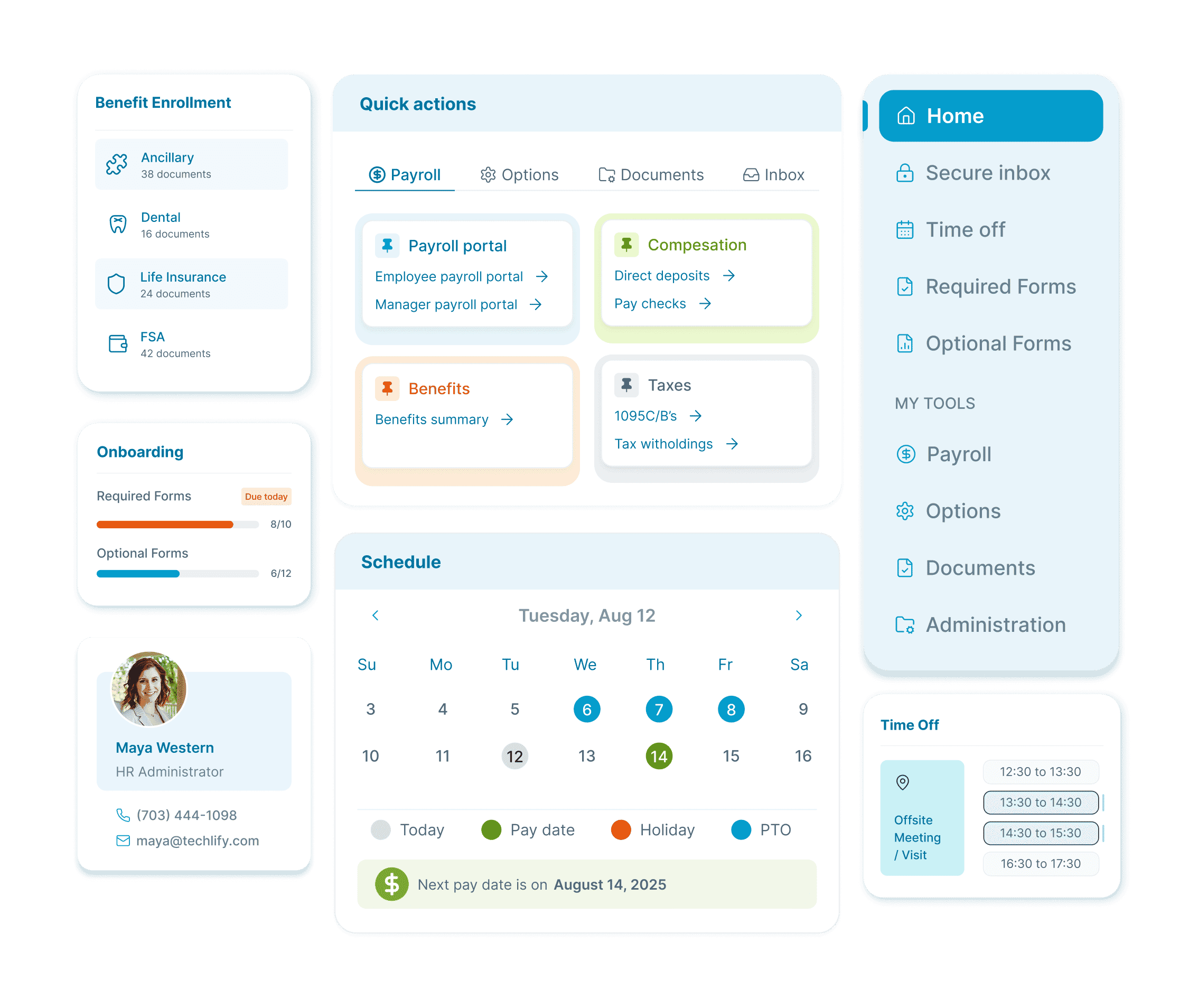
Read more

Jul 25, 2025

What is Human Capital Management (HCM)? A Complete Guide for HR Professionals

Organizations that implement robust human capital management strategies achieve 40% lower turnover rates and significantly higher productivity than those relying on traditional HR approaches. But what is an HCM and how does it differ from conventional human resources management?

Human capital management represents a fundamental shift in how businesses view and manage their workforce. Rather than treating employees as operational costs, HCM recognizes human capital as the most valuable asset driving organizational success and competitive advantage.

In this comprehensive guide, we’ll explore everything you need to know about human capital management, from its core definition to implementation best practices that can transform your organization’s approach to workforce management.

Definition of Human Capital Management

Human capital management (HCM) is a comprehensive business strategy that treats employees as valuable assets rather than costs. This strategic approach encompasses the entire employee life cycle from recruitment and hiring to development and retention, fundamentally changing how organizations invest in and optimize their workforce.

At its core, human capital management combines strategic workforce planning with modern technology solutions to optimize employee performance and align human resources with broader business goals. Unlike traditional HR functions that focus primarily on administrative tasks, HCM emphasizes maximizing employee potential and creating measurable business value through strategic talent management and HCM tools .

The evolution of human capital management HCM represents a significant departure from conventional human resource management. While traditional HR manages basic functions like payroll processing and compliance reporting, HCM integrates advanced analytics, strategic planning, and technology-driven solutions to create a more intelligent approach to workforce decisions.

Modern HCM strategy focuses on treating the organization’s employees as investments that require careful nurturing, development, and optimization. This approach recognizes that human capital represents the primary driver of innovation, optimizing productivity, and long-term organizational success in today’s knowledge-based economy.

Core Components of HCM

Effective human capital management includes several interconnected components that work together to optimize workforce performance and achieve business goals.

Workforce Planning and Strategic Talent Acquisition

Workforce planning forms the foundation of any successful HCM strategy. This process involves analyzing current workforce capabilities, forecasting future staffing needs, and developing strategies to bridge skills gaps. Organizations use workforce planning to ensure they have the right talent in place to support business growth and adapt to changing market conditions.

Strategic talent acquisition goes beyond traditional recruitment processes by aligning hiring decisions with long-term business strategy. This approach uses data analytics and market intelligence to identify and attract top talent that fits both current needs and future organizational direction.

Employee Development and Performance Management

Performance management within an HCM framework extends far beyond annual performance reviews. Modern performance management systems emphasize continuous feedback, goal alignment, and employee development planning. These systems help employees understand how their work contributes to broader business outcomes while providing managers with tools to support employee growth.

Career development and professional development programs are integral components that help retain employees while building the skills necessary for organizational success. These programs often include internal training opportunities, mentorship programs, and clear career planning pathways.

Compensation and Benefits Administration

Comprehensive benefits administration ensures that compensation packages align with market standards while supporting employee satisfaction and retention. Modern HCM approaches use data analytics to optimize HR processes, compensation strategies and ensure pay equity across the organization.

Employee self service portals have revolutionized how benefits administration operates, allowing current employees to manage their benefits, access employee records, and make changes without requiring extensive HR support, thereby supporting employee growth .

Analytics and Compliance Management

Advanced analytics capabilities enable hr professionals to make more intelligent workforce decisions based on data rather than intuition. These tools help organizations track key metrics like employee engagement, workforce productivity, and retention rates.

Compliance management ensures that organizations meet all relevant tax regulations and labor law requirements while minimizing compliance risks. Automated compliance tools help reduce the burden of routine tasks while ensuring accuracy and consistency.

HCM vs Traditional HR Management

The distinction between human capital management and traditional human resources management represents a fundamental shift in organizational philosophy and operational approach.

Traditional HR functions typically focus on administrative tasks and operational efficiency. Human resource departments have historically managed core HR functions like payroll processing, benefits enrollment, and compliance reporting. While these activities remain important, they represent a reactive approach to workforce management.

In contrast, HCM focuses on strategic employee development while HR handles administrative tasks. Human capital management emphasizes maximizing employee potential and aligning workforce with business goals, treating human resources as strategic assets rather than operational costs.

The HCM approach integrates workforce management with broader business strategy, ensuring that every aspect of the employee experience contributes to organizational success. This includes everything from recruitment process optimization to employee engagement initiatives that support company culture development.

Where traditional HR functions execute core activities, HCM drives organizational excellence and growth through strategic workforce optimization. This proactive approach helps organizations anticipate future needs, develop talent pipelines, and create competitive advantages through superior human capital management with the right HCM provider .

Benefits of Implementing HCM

Organizations that embrace comprehensive human capital management strategies realize significant benefits across multiple dimensions of business performance.

Improved Employee Retention and Satisfaction

Effective HCM strategies dramatically improve employee retention through strategic talent development and engagement programs. When employees feel valued and see clear paths for career advancement through a human resources management system , job satisfaction increases substantially. Organizations with strong employee development programs often see retention rates improve by 30-50%.

The focus on employee experience creates environments where employees feel empowered and engaged in their work. This leads to higher levels of employee satisfaction and stronger emotional connections to the organization.

Enhanced Operational Efficiency

HCM systems streamline hr processes and reduce manual tasks, allowing hr professionals to focus on strategic initiatives rather than administrative work. Automation of routine tasks like absence management, employee data updates, and compliance reporting frees up valuable time for higher-value activities.

The integration of various HR systems into unified platforms eliminates data silos and reduces errors associated with manual data entry. This operational efficiency translates directly into cost savings and improved accuracy across all HR functions.

Better Business Outcomes Through Strategic Workforce Management

Organizations implementing comprehensive HCM strategies consistently achieve better business outcomes through optimized workforce productivity. The alignment of employee goals with business objectives ensures that individual performance contributes directly to organizational success.

Data-driven decision making enabled by HCM analytics helps organizations identify trends, predict challenges, and optimize resource allocation. This strategic approach to workforce management often results in measurable improvements in key business metrics.

Stronger Company Culture and Employee Engagement

HCM initiatives that focus on employee development and recognition help build stronger company culture. When organizations invest in their people through training, development, and clear career pathways, employees respond with higher levels of engagement and commitment.

The emphasis on continuous improvement and feedback creates environments where employees feel heard and valued, leading to increased innovation and collaboration across the organization.

What is HCM Software?

Human capital management software, also known as HCM software, represents the technological foundation that enables organizations to implement comprehensive HCM strategies effectively. These integrated platforms combine multiple HR systems using cloud and mobile technology to create seamless, user-friendly experiences for both employees and administrators.

Modern HCM software automates payroll processing, benefits administration, employee self-service functions, and performance tracking within a single, unified platform. This integration eliminates the need for multiple disparate systems while providing comprehensive analytics tools for workforce planning and strategic decision-making.

The software provides powerful analytics capabilities that help organizations understand workforce trends, predict future needs, and optimize resource allocation. Insights like this allow HR professionals to make data-driven decisions in support of employee development.

Contemporary HCM platforms include sophisticated applicant tracking systems, comprehensive onboarding modules, and integrated training and development tools. This end-to-end functionality supports the entire employee lifecycle from initial recruitment through career development and eventual transition.

Types of HCM Software Solutions

Organizations can choose from several different approaches to implementing human capital management software, each with distinct advantages and considerations.

Best-of-breed solutions offer specialized functionality in specific areas like recruitment, performance management, or learning and development. While these solutions often provide deep functionality in their focus areas, they typically require integration with multiple vendors and can create complexity in data management and user experience.

Unified HCM platforms provide integrated solutions that cover all aspects of human capital management within a single system. These comprehensive HCM solutions offer simplified maintenance, consistent user experiences, and seamless data flow between different functional areas. The unified approach often provides better long-term value despite potentially higher initial costs.

Cloud-based SaaS models have become increasingly popular due to their ability to reduce IT costs while improving accessibility and scalability. Cloud based HCM software enables organizations to access their systems from anywhere while ensuring automatic updates and enhanced data security.

Mobile-enabled platforms support the growing trend toward remote and flexible work arrangements. These solutions ensure that employees and managers can access essential functions regardless of location, supporting modern workforce management requirements.

Key HCM Functions and Features

Comprehensive HCM systems provide a wide range of integrated functions designed to support every aspect of workforce management and employee development.

Talent Acquisition and Recruitment

Modern talent acquisition modules include sophisticated applicant tracking systems that streamline the entire recruitment process. These tools help organizations identify qualified candidates more efficiently while providing better experiences for both recruiters and applicants.

Advanced recruitment features often include automated candidate screening, interview scheduling, and integration with job boards and social media platforms. This technology helps organizations build stronger talent pipelines while reducing time-to-hire and improving candidate quality.

Performance Management and Employee Development

Comprehensive performance management tools support goal setting, continuous feedback, and regular performance evaluations. These systems help align individual objectives with organizational goals while providing frameworks for ongoing development and improvement.

Learning and development platforms integrated within HCM systems enable organizations to provide targeted training programs that support both individual career growth and organizational skill requirements. These tools often include compliance training tracking, skills assessments, and personalized learning pathways.

Workforce Analytics and Strategic Planning

Advanced analytics capabilities provide insights into workforce trends, productivity patterns, and employee engagement levels. These tools help organizations identify areas for improvement while supporting strategic workforce planning initiatives.

Predictive analytics features can help organizations anticipate future staffing needs, identify flight risks among high-value employees, and optimize workforce allocation across different business units or projects.

Employee Self-Service and Experience

Modern employee self service portals empower employees to manage many aspects of their employment relationship independently. These tools typically include access to pay stubs, benefits information, time-off requests, and personal information updates.

Self-service capabilities reduce administrative burden on HR staff while providing employees with immediate access to the information and services they need. This improved employee experience often leads to higher satisfaction and engagement levels.

How to Choose the Right HCM System

Selecting the right HCM software requires careful consideration of organizational needs, technical requirements, and long-term strategic objectives.

Define Clear Objectives and Requirements

Begin by identifying specific HR challenges that need to be addressed and establishing clear objectives for what the HCM system should accomplish. Consider factors like current workforce size, growth projections, compliance requirements, and integration needs with existing business systems.

Involve stakeholders from across the organization, including hr professionals, IT staff, and department leadership, to ensure that all perspectives and requirements are considered during the selection process.

Evaluate Scalability and Integration Capabilities

Choose solutions that can grow with your organization and adapt to changing business needs. Consider both current requirements and projected future needs when evaluating different HCM solutions.

Assess integration capabilities with existing business systems, including payroll providers, accounting software, and other enterprise applications. Seamless integration reduces implementation complexity and ensures consistent data across all business systems.

Consider Customization and User Experience

Look for HCM platforms that offer sufficient customization options to fit unique organizational workflows and processes. The system should be flexible enough to adapt to your business rather than forcing your organization to change established processes.

Evaluate the user experience for both administrators and end-users. Systems that are intuitive and easy to use typically see higher adoption rates and better long-term success.

Review Total Cost of Ownership

Calculate the complete cost of ownership, including implementation fees, training costs, ongoing maintenance, and potential customization expenses. Consider both initial investment and long-term operational costs when comparing different solutions.

Assess vendor support quality, training resources, and implementation services. Strong vendor support can significantly impact implementation success and long-term satisfaction with the chosen solution.

HCM Implementation Best Practices

Successful human capital management system implementation requires careful planning, stakeholder engagement, and attention to change management principles.

Stakeholder Involvement and Planning

Involve stakeholders from HR, IT, and department leadership throughout the selection and implementation process. This collaborative approach ensures that the chosen solution meets diverse organizational needs while building support for the new system.

Develop a comprehensive implementation plan that includes realistic timelines, resource allocation, and clear milestones. Consider potential challenges and develop contingency plans to address implementation obstacles.

Data Management and Migration

Clean and validate employee data before migrating to the new HCM platform. Poor data quality can significantly impact system performance and user adoption, so invest time in data cleanup and validation processes.

Develop data backup and recovery procedures to protect against potential data loss during the migration process. Test data migration procedures thoroughly before implementing the final transition.

Training and Change Management

To empower employees, provide comprehensive training to ensure successful user adoption across all levels of the organization. Different user groups may require different types of training, so develop targeted programs for administrators, managers, and general employees.

Implement change management strategies that help employees understand the benefits of the new system and address concerns about workflow changes. Clear communication about system benefits and ongoing support can significantly improve adoption rates.

Continuous Monitoring and Optimization

Monitor system performance and gather user feedback regularly to identify areas for improvement. Track key metrics like user adoption rates, system performance, and achievement of implementation objectives.

Plan for ongoing system optimization based on user feedback and changing business needs. Regular system reviews help ensure that the HCM platform continues to deliver value as the organization evolves.

The Future of Human Capital Management

The future of human capital management is being shaped by technological advancement, changing workforce expectations, and evolving business requirements.

Artificial Intelligence and Machine Learning Integration

Artificial intelligence and machine learning technologies are transforming HCM capabilities through enhanced analytics, automated processes, and predictive insights. These technologies enable more sophisticated workforce planning, automated candidate screening, and personalized employee development recommendations.

AI-powered systems can analyze vast amounts of employee data to identify patterns and trends that human analysts might miss. This capability supports more effective decision-making and helps organizations optimize their human capital investments.

Mobile-First and Remote Workforce Support

Mobile-first platforms are becoming essential as organizations embrace flexible work arrangements and remote workforce management. These solutions ensure that employees and managers can access critical HCM functions regardless of location or device.

The trend toward remote work is driving demand for more sophisticated collaboration tools, virtual onboarding capabilities, and digital employee engagement platforms integrated within comprehensive HCM solutions.

Personalized Employee Experience

Future HCM platforms will provide increasingly personalized experiences tailored to individual employee needs, career goals, and learning preferences. This personalization extends to everything from training recommendations to career development pathways.

Advanced analytics will enable organizations to create highly customized employee experiences that support both individual growth and organizational objectives. This personalized approach is expected to significantly improve employee engagement and retention.

Integration with Emerging Technologies

The integration of HCM systems with emerging technologies like blockchain, IoT devices, and advanced analytics platforms will create new possibilities for workforce management and employee engagement.

These technological integrations will enable more sophisticated tracking of employee performance, automated compliance management, and enhanced security for sensitive employee data.

Conclusion

Human capital management represents a fundamental transformation in how organizations approach workforce management, shifting from viewing employees as costs to recognizing them as strategic assets that drive competitive advantage. This comprehensive approach integrates strategic planning, advanced technology, and employee-focused practices to create sustainable business value.

The evolution from traditional HR functions to strategic human capital management reflects the growing recognition that organizational success depends on effectively developing, engaging, and retaining talent. Organizations that embrace this transformation consistently achieve better business outcomes through improved employee retention, enhanced operational efficiency, and stronger company culture.

As the business landscape continues to evolve, human capital management will become increasingly critical for organizations seeking to maintain competitive advantages in talent-driven markets. The integration of artificial intelligence, mobile technologies, and personalized employee experiences will further enhance the strategic value of comprehensive HCM approaches.

For organizations considering this transformation, the key lies in developing a clear HCM strategy that aligns workforce management with broader business objectives while investing in the technology and processes necessary to support long-term success. The future belongs to organizations that recognize human capital as their most valuable asset and manage it accordingly.
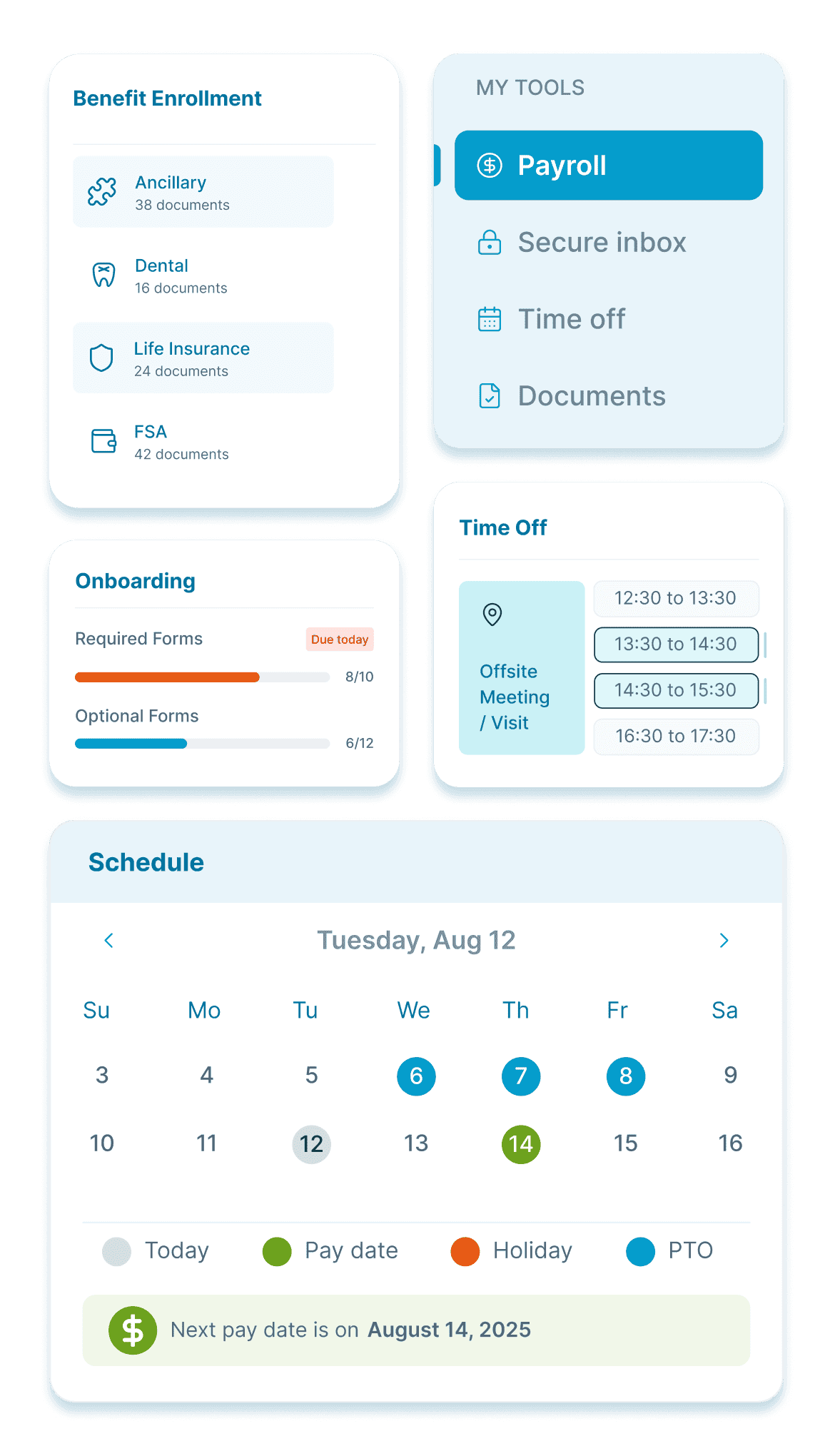
Read more

Jul 25, 2025

What is Human Capital Management (HCM)? A Complete Guide for HR Professionals

Organizations that implement robust human capital management strategies achieve 40% lower turnover rates and significantly higher productivity than those relying on traditional HR approaches. But what is an HCM and how does it differ from conventional human resources management?

Human capital management represents a fundamental shift in how businesses view and manage their workforce. Rather than treating employees as operational costs, HCM recognizes human capital as the most valuable asset driving organizational success and competitive advantage.

In this comprehensive guide, we’ll explore everything you need to know about human capital management, from its core definition to implementation best practices that can transform your organization’s approach to workforce management.

Definition of Human Capital Management

Human capital management (HCM) is a comprehensive business strategy that treats employees as valuable assets rather than costs. This strategic approach encompasses the entire employee life cycle from recruitment and hiring to development and retention, fundamentally changing how organizations invest in and optimize their workforce.

At its core, human capital management combines strategic workforce planning with modern technology solutions to optimize employee performance and align human resources with broader business goals. Unlike traditional HR functions that focus primarily on administrative tasks, HCM emphasizes maximizing employee potential and creating measurable business value through strategic talent management and HCM tools .

The evolution of human capital management HCM represents a significant departure from conventional human resource management. While traditional HR manages basic functions like payroll processing and compliance reporting, HCM integrates advanced analytics, strategic planning, and technology-driven solutions to create a more intelligent approach to workforce decisions.

Modern HCM strategy focuses on treating the organization’s employees as investments that require careful nurturing, development, and optimization. This approach recognizes that human capital represents the primary driver of innovation, optimizing productivity, and long-term organizational success in today’s knowledge-based economy.

Core Components of HCM

Effective human capital management includes several interconnected components that work together to optimize workforce performance and achieve business goals.

Workforce Planning and Strategic Talent Acquisition

Workforce planning forms the foundation of any successful HCM strategy. This process involves analyzing current workforce capabilities, forecasting future staffing needs, and developing strategies to bridge skills gaps. Organizations use workforce planning to ensure they have the right talent in place to support business growth and adapt to changing market conditions.

Strategic talent acquisition goes beyond traditional recruitment processes by aligning hiring decisions with long-term business strategy. This approach uses data analytics and market intelligence to identify and attract top talent that fits both current needs and future organizational direction.

Employee Development and Performance Management

Performance management within an HCM framework extends far beyond annual performance reviews. Modern performance management systems emphasize continuous feedback, goal alignment, and employee development planning. These systems help employees understand how their work contributes to broader business outcomes while providing managers with tools to support employee growth.

Career development and professional development programs are integral components that help retain employees while building the skills necessary for organizational success. These programs often include internal training opportunities, mentorship programs, and clear career planning pathways.

Compensation and Benefits Administration

Comprehensive benefits administration ensures that compensation packages align with market standards while supporting employee satisfaction and retention. Modern HCM approaches use data analytics to optimize HR processes, compensation strategies and ensure pay equity across the organization.

Employee self service portals have revolutionized how benefits administration operates, allowing current employees to manage their benefits, access employee records, and make changes without requiring extensive HR support, thereby supporting employee growth .

Analytics and Compliance Management

Advanced analytics capabilities enable hr professionals to make more intelligent workforce decisions based on data rather than intuition. These tools help organizations track key metrics like employee engagement, workforce productivity, and retention rates.

Compliance management ensures that organizations meet all relevant tax regulations and labor law requirements while minimizing compliance risks. Automated compliance tools help reduce the burden of routine tasks while ensuring accuracy and consistency.

HCM vs Traditional HR Management

The distinction between human capital management and traditional human resources management represents a fundamental shift in organizational philosophy and operational approach.

Traditional HR functions typically focus on administrative tasks and operational efficiency. Human resource departments have historically managed core HR functions like payroll processing, benefits enrollment, and compliance reporting. While these activities remain important, they represent a reactive approach to workforce management.

In contrast, HCM focuses on strategic employee development while HR handles administrative tasks. Human capital management emphasizes maximizing employee potential and aligning workforce with business goals, treating human resources as strategic assets rather than operational costs.

The HCM approach integrates workforce management with broader business strategy, ensuring that every aspect of the employee experience contributes to organizational success. This includes everything from recruitment process optimization to employee engagement initiatives that support company culture development.

Where traditional HR functions execute core activities, HCM drives organizational excellence and growth through strategic workforce optimization. This proactive approach helps organizations anticipate future needs, develop talent pipelines, and create competitive advantages through superior human capital management with the right HCM provider .

Benefits of Implementing HCM

Organizations that embrace comprehensive human capital management strategies realize significant benefits across multiple dimensions of business performance.

Improved Employee Retention and Satisfaction

Effective HCM strategies dramatically improve employee retention through strategic talent development and engagement programs. When employees feel valued and see clear paths for career advancement through a human resources management system , job satisfaction increases substantially. Organizations with strong employee development programs often see retention rates improve by 30-50%.

The focus on employee experience creates environments where employees feel empowered and engaged in their work. This leads to higher levels of employee satisfaction and stronger emotional connections to the organization.

Enhanced Operational Efficiency

HCM systems streamline hr processes and reduce manual tasks, allowing hr professionals to focus on strategic initiatives rather than administrative work. Automation of routine tasks like absence management, employee data updates, and compliance reporting frees up valuable time for higher-value activities.

The integration of various HR systems into unified platforms eliminates data silos and reduces errors associated with manual data entry. This operational efficiency translates directly into cost savings and improved accuracy across all HR functions.

Better Business Outcomes Through Strategic Workforce Management

Organizations implementing comprehensive HCM strategies consistently achieve better business outcomes through optimized workforce productivity. The alignment of employee goals with business objectives ensures that individual performance contributes directly to organizational success.

Data-driven decision making enabled by HCM analytics helps organizations identify trends, predict challenges, and optimize resource allocation. This strategic approach to workforce management often results in measurable improvements in key business metrics.

Stronger Company Culture and Employee Engagement

HCM initiatives that focus on employee development and recognition help build stronger company culture. When organizations invest in their people through training, development, and clear career pathways, employees respond with higher levels of engagement and commitment.

The emphasis on continuous improvement and feedback creates environments where employees feel heard and valued, leading to increased innovation and collaboration across the organization.

What is HCM Software?

Human capital management software, also known as HCM software, represents the technological foundation that enables organizations to implement comprehensive HCM strategies effectively. These integrated platforms combine multiple HR systems using cloud and mobile technology to create seamless, user-friendly experiences for both employees and administrators.

Modern HCM software automates payroll processing, benefits administration, employee self-service functions, and performance tracking within a single, unified platform. This integration eliminates the need for multiple disparate systems while providing comprehensive analytics tools for workforce planning and strategic decision-making.

The software provides powerful analytics capabilities that help organizations understand workforce trends, predict future needs, and optimize resource allocation. Insights like this allow HR professionals to make data-driven decisions in support of employee development.

Contemporary HCM platforms include sophisticated applicant tracking systems, comprehensive onboarding modules, and integrated training and development tools. This end-to-end functionality supports the entire employee lifecycle from initial recruitment through career development and eventual transition.

Types of HCM Software Solutions

Organizations can choose from several different approaches to implementing human capital management software, each with distinct advantages and considerations.

Best-of-breed solutions offer specialized functionality in specific areas like recruitment, performance management, or learning and development. While these solutions often provide deep functionality in their focus areas, they typically require integration with multiple vendors and can create complexity in data management and user experience.

Unified HCM platforms provide integrated solutions that cover all aspects of human capital management within a single system. These comprehensive HCM solutions offer simplified maintenance, consistent user experiences, and seamless data flow between different functional areas. The unified approach often provides better long-term value despite potentially higher initial costs.

Cloud-based SaaS models have become increasingly popular due to their ability to reduce IT costs while improving accessibility and scalability. Cloud based HCM software enables organizations to access their systems from anywhere while ensuring automatic updates and enhanced data security.

Mobile-enabled platforms support the growing trend toward remote and flexible work arrangements. These solutions ensure that employees and managers can access essential functions regardless of location, supporting modern workforce management requirements.

Key HCM Functions and Features

Comprehensive HCM systems provide a wide range of integrated functions designed to support every aspect of workforce management and employee development.

Talent Acquisition and Recruitment

Modern talent acquisition modules include sophisticated applicant tracking systems that streamline the entire recruitment process. These tools help organizations identify qualified candidates more efficiently while providing better experiences for both recruiters and applicants.

Advanced recruitment features often include automated candidate screening, interview scheduling, and integration with job boards and social media platforms. This technology helps organizations build stronger talent pipelines while reducing time-to-hire and improving candidate quality.

Performance Management and Employee Development

Comprehensive performance management tools support goal setting, continuous feedback, and regular performance evaluations. These systems help align individual objectives with organizational goals while providing frameworks for ongoing development and improvement.

Learning and development platforms integrated within HCM systems enable organizations to provide targeted training programs that support both individual career growth and organizational skill requirements. These tools often include compliance training tracking, skills assessments, and personalized learning pathways.

Workforce Analytics and Strategic Planning

Advanced analytics capabilities provide insights into workforce trends, productivity patterns, and employee engagement levels. These tools help organizations identify areas for improvement while supporting strategic workforce planning initiatives.

Predictive analytics features can help organizations anticipate future staffing needs, identify flight risks among high-value employees, and optimize workforce allocation across different business units or projects.

Employee Self-Service and Experience

Modern employee self service portals empower employees to manage many aspects of their employment relationship independently. These tools typically include access to pay stubs, benefits information, time-off requests, and personal information updates.

Self-service capabilities reduce administrative burden on HR staff while providing employees with immediate access to the information and services they need. This improved employee experience often leads to higher satisfaction and engagement levels.

How to Choose the Right HCM System

Selecting the right HCM software requires careful consideration of organizational needs, technical requirements, and long-term strategic objectives.

Define Clear Objectives and Requirements

Begin by identifying specific HR challenges that need to be addressed and establishing clear objectives for what the HCM system should accomplish. Consider factors like current workforce size, growth projections, compliance requirements, and integration needs with existing business systems.

Involve stakeholders from across the organization, including hr professionals, IT staff, and department leadership, to ensure that all perspectives and requirements are considered during the selection process.

Evaluate Scalability and Integration Capabilities

Choose solutions that can grow with your organization and adapt to changing business needs. Consider both current requirements and projected future needs when evaluating different HCM solutions.

Assess integration capabilities with existing business systems, including payroll providers, accounting software, and other enterprise applications. Seamless integration reduces implementation complexity and ensures consistent data across all business systems.

Consider Customization and User Experience

Look for HCM platforms that offer sufficient customization options to fit unique organizational workflows and processes. The system should be flexible enough to adapt to your business rather than forcing your organization to change established processes.

Evaluate the user experience for both administrators and end-users. Systems that are intuitive and easy to use typically see higher adoption rates and better long-term success.

Review Total Cost of Ownership

Calculate the complete cost of ownership, including implementation fees, training costs, ongoing maintenance, and potential customization expenses. Consider both initial investment and long-term operational costs when comparing different solutions.

Assess vendor support quality, training resources, and implementation services. Strong vendor support can significantly impact implementation success and long-term satisfaction with the chosen solution.

HCM Implementation Best Practices

Successful human capital management system implementation requires careful planning, stakeholder engagement, and attention to change management principles.

Stakeholder Involvement and Planning

Involve stakeholders from HR, IT, and department leadership throughout the selection and implementation process. This collaborative approach ensures that the chosen solution meets diverse organizational needs while building support for the new system.

Develop a comprehensive implementation plan that includes realistic timelines, resource allocation, and clear milestones. Consider potential challenges and develop contingency plans to address implementation obstacles.

Data Management and Migration

Clean and validate employee data before migrating to the new HCM platform. Poor data quality can significantly impact system performance and user adoption, so invest time in data cleanup and validation processes.

Develop data backup and recovery procedures to protect against potential data loss during the migration process. Test data migration procedures thoroughly before implementing the final transition.

Training and Change Management

To empower employees, provide comprehensive training to ensure successful user adoption across all levels of the organization. Different user groups may require different types of training, so develop targeted programs for administrators, managers, and general employees.

Implement change management strategies that help employees understand the benefits of the new system and address concerns about workflow changes. Clear communication about system benefits and ongoing support can significantly improve adoption rates.

Continuous Monitoring and Optimization

Monitor system performance and gather user feedback regularly to identify areas for improvement. Track key metrics like user adoption rates, system performance, and achievement of implementation objectives.

Plan for ongoing system optimization based on user feedback and changing business needs. Regular system reviews help ensure that the HCM platform continues to deliver value as the organization evolves.

The Future of Human Capital Management

The future of human capital management is being shaped by technological advancement, changing workforce expectations, and evolving business requirements.

Artificial Intelligence and Machine Learning Integration

Artificial intelligence and machine learning technologies are transforming HCM capabilities through enhanced analytics, automated processes, and predictive insights. These technologies enable more sophisticated workforce planning, automated candidate screening, and personalized employee development recommendations.

AI-powered systems can analyze vast amounts of employee data to identify patterns and trends that human analysts might miss. This capability supports more effective decision-making and helps organizations optimize their human capital investments.

Mobile-First and Remote Workforce Support

Mobile-first platforms are becoming essential as organizations embrace flexible work arrangements and remote workforce management. These solutions ensure that employees and managers can access critical HCM functions regardless of location or device.

The trend toward remote work is driving demand for more sophisticated collaboration tools, virtual onboarding capabilities, and digital employee engagement platforms integrated within comprehensive HCM solutions.

Personalized Employee Experience

Future HCM platforms will provide increasingly personalized experiences tailored to individual employee needs, career goals, and learning preferences. This personalization extends to everything from training recommendations to career development pathways.

Advanced analytics will enable organizations to create highly customized employee experiences that support both individual growth and organizational objectives. This personalized approach is expected to significantly improve employee engagement and retention.

Integration with Emerging Technologies

The integration of HCM systems with emerging technologies like blockchain, IoT devices, and advanced analytics platforms will create new possibilities for workforce management and employee engagement.

These technological integrations will enable more sophisticated tracking of employee performance, automated compliance management, and enhanced security for sensitive employee data.

Conclusion

Human capital management represents a fundamental transformation in how organizations approach workforce management, shifting from viewing employees as costs to recognizing them as strategic assets that drive competitive advantage. This comprehensive approach integrates strategic planning, advanced technology, and employee-focused practices to create sustainable business value.

The evolution from traditional HR functions to strategic human capital management reflects the growing recognition that organizational success depends on effectively developing, engaging, and retaining talent. Organizations that embrace this transformation consistently achieve better business outcomes through improved employee retention, enhanced operational efficiency, and stronger company culture.

As the business landscape continues to evolve, human capital management will become increasingly critical for organizations seeking to maintain competitive advantages in talent-driven markets. The integration of artificial intelligence, mobile technologies, and personalized employee experiences will further enhance the strategic value of comprehensive HCM approaches.

For organizations considering this transformation, the key lies in developing a clear HCM strategy that aligns workforce management with broader business objectives while investing in the technology and processes necessary to support long-term success. The future belongs to organizations that recognize human capital as their most valuable asset and manage it accordingly.

Read more

Jul 25, 2025

What is Human Capital Management (HCM)? A Complete Guide for HR Professionals

Organizations that implement robust human capital management strategies achieve 40% lower turnover rates and significantly higher productivity than those relying on traditional HR approaches. But what is an HCM and how does it differ from conventional human resources management?

Human capital management represents a fundamental shift in how businesses view and manage their workforce. Rather than treating employees as operational costs, HCM recognizes human capital as the most valuable asset driving organizational success and competitive advantage.

In this comprehensive guide, we’ll explore everything you need to know about human capital management, from its core definition to implementation best practices that can transform your organization’s approach to workforce management.

Definition of Human Capital Management

Human capital management (HCM) is a comprehensive business strategy that treats employees as valuable assets rather than costs. This strategic approach encompasses the entire employee life cycle from recruitment and hiring to development and retention, fundamentally changing how organizations invest in and optimize their workforce.

At its core, human capital management combines strategic workforce planning with modern technology solutions to optimize employee performance and align human resources with broader business goals. Unlike traditional HR functions that focus primarily on administrative tasks, HCM emphasizes maximizing employee potential and creating measurable business value through strategic talent management and HCM tools .

The evolution of human capital management HCM represents a significant departure from conventional human resource management. While traditional HR manages basic functions like payroll processing and compliance reporting, HCM integrates advanced analytics, strategic planning, and technology-driven solutions to create a more intelligent approach to workforce decisions.

Modern HCM strategy focuses on treating the organization’s employees as investments that require careful nurturing, development, and optimization. This approach recognizes that human capital represents the primary driver of innovation, optimizing productivity, and long-term organizational success in today’s knowledge-based economy.

Core Components of HCM

Effective human capital management includes several interconnected components that work together to optimize workforce performance and achieve business goals.

Workforce Planning and Strategic Talent Acquisition

Workforce planning forms the foundation of any successful HCM strategy. This process involves analyzing current workforce capabilities, forecasting future staffing needs, and developing strategies to bridge skills gaps. Organizations use workforce planning to ensure they have the right talent in place to support business growth and adapt to changing market conditions.

Strategic talent acquisition goes beyond traditional recruitment processes by aligning hiring decisions with long-term business strategy. This approach uses data analytics and market intelligence to identify and attract top talent that fits both current needs and future organizational direction.

Employee Development and Performance Management

Performance management within an HCM framework extends far beyond annual performance reviews. Modern performance management systems emphasize continuous feedback, goal alignment, and employee development planning. These systems help employees understand how their work contributes to broader business outcomes while providing managers with tools to support employee growth.

Career development and professional development programs are integral components that help retain employees while building the skills necessary for organizational success. These programs often include internal training opportunities, mentorship programs, and clear career planning pathways.

Compensation and Benefits Administration

Comprehensive benefits administration ensures that compensation packages align with market standards while supporting employee satisfaction and retention. Modern HCM approaches use data analytics to optimize HR processes, compensation strategies and ensure pay equity across the organization.

Employee self service portals have revolutionized how benefits administration operates, allowing current employees to manage their benefits, access employee records, and make changes without requiring extensive HR support, thereby supporting employee growth .

Analytics and Compliance Management

Advanced analytics capabilities enable hr professionals to make more intelligent workforce decisions based on data rather than intuition. These tools help organizations track key metrics like employee engagement, workforce productivity, and retention rates.

Compliance management ensures that organizations meet all relevant tax regulations and labor law requirements while minimizing compliance risks. Automated compliance tools help reduce the burden of routine tasks while ensuring accuracy and consistency.

HCM vs Traditional HR Management

The distinction between human capital management and traditional human resources management represents a fundamental shift in organizational philosophy and operational approach.

Traditional HR functions typically focus on administrative tasks and operational efficiency. Human resource departments have historically managed core HR functions like payroll processing, benefits enrollment, and compliance reporting. While these activities remain important, they represent a reactive approach to workforce management.

In contrast, HCM focuses on strategic employee development while HR handles administrative tasks. Human capital management emphasizes maximizing employee potential and aligning workforce with business goals, treating human resources as strategic assets rather than operational costs.

The HCM approach integrates workforce management with broader business strategy, ensuring that every aspect of the employee experience contributes to organizational success. This includes everything from recruitment process optimization to employee engagement initiatives that support company culture development.

Where traditional HR functions execute core activities, HCM drives organizational excellence and growth through strategic workforce optimization. This proactive approach helps organizations anticipate future needs, develop talent pipelines, and create competitive advantages through superior human capital management with the right HCM provider .

Benefits of Implementing HCM

Organizations that embrace comprehensive human capital management strategies realize significant benefits across multiple dimensions of business performance.

Improved Employee Retention and Satisfaction

Effective HCM strategies dramatically improve employee retention through strategic talent development and engagement programs. When employees feel valued and see clear paths for career advancement through a human resources management system , job satisfaction increases substantially. Organizations with strong employee development programs often see retention rates improve by 30-50%.

The focus on employee experience creates environments where employees feel empowered and engaged in their work. This leads to higher levels of employee satisfaction and stronger emotional connections to the organization.

Enhanced Operational Efficiency

HCM systems streamline hr processes and reduce manual tasks, allowing hr professionals to focus on strategic initiatives rather than administrative work. Automation of routine tasks like absence management, employee data updates, and compliance reporting frees up valuable time for higher-value activities.

The integration of various HR systems into unified platforms eliminates data silos and reduces errors associated with manual data entry. This operational efficiency translates directly into cost savings and improved accuracy across all HR functions.

Better Business Outcomes Through Strategic Workforce Management

Organizations implementing comprehensive HCM strategies consistently achieve better business outcomes through optimized workforce productivity. The alignment of employee goals with business objectives ensures that individual performance contributes directly to organizational success.

Data-driven decision making enabled by HCM analytics helps organizations identify trends, predict challenges, and optimize resource allocation. This strategic approach to workforce management often results in measurable improvements in key business metrics.

Stronger Company Culture and Employee Engagement

HCM initiatives that focus on employee development and recognition help build stronger company culture. When organizations invest in their people through training, development, and clear career pathways, employees respond with higher levels of engagement and commitment.

The emphasis on continuous improvement and feedback creates environments where employees feel heard and valued, leading to increased innovation and collaboration across the organization.

What is HCM Software?

Human capital management software, also known as HCM software, represents the technological foundation that enables organizations to implement comprehensive HCM strategies effectively. These integrated platforms combine multiple HR systems using cloud and mobile technology to create seamless, user-friendly experiences for both employees and administrators.

Modern HCM software automates payroll processing, benefits administration, employee self-service functions, and performance tracking within a single, unified platform. This integration eliminates the need for multiple disparate systems while providing comprehensive analytics tools for workforce planning and strategic decision-making.

The software provides powerful analytics capabilities that help organizations understand workforce trends, predict future needs, and optimize resource allocation. Insights like this allow HR professionals to make data-driven decisions in support of employee development.

Contemporary HCM platforms include sophisticated applicant tracking systems, comprehensive onboarding modules, and integrated training and development tools. This end-to-end functionality supports the entire employee lifecycle from initial recruitment through career development and eventual transition.

Types of HCM Software Solutions

Organizations can choose from several different approaches to implementing human capital management software, each with distinct advantages and considerations.

Best-of-breed solutions offer specialized functionality in specific areas like recruitment, performance management, or learning and development. While these solutions often provide deep functionality in their focus areas, they typically require integration with multiple vendors and can create complexity in data management and user experience.

Unified HCM platforms provide integrated solutions that cover all aspects of human capital management within a single system. These comprehensive HCM solutions offer simplified maintenance, consistent user experiences, and seamless data flow between different functional areas. The unified approach often provides better long-term value despite potentially higher initial costs.

Cloud-based SaaS models have become increasingly popular due to their ability to reduce IT costs while improving accessibility and scalability. Cloud based HCM software enables organizations to access their systems from anywhere while ensuring automatic updates and enhanced data security.

Mobile-enabled platforms support the growing trend toward remote and flexible work arrangements. These solutions ensure that employees and managers can access essential functions regardless of location, supporting modern workforce management requirements.

Key HCM Functions and Features

Comprehensive HCM systems provide a wide range of integrated functions designed to support every aspect of workforce management and employee development.

Talent Acquisition and Recruitment

Modern talent acquisition modules include sophisticated applicant tracking systems that streamline the entire recruitment process. These tools help organizations identify qualified candidates more efficiently while providing better experiences for both recruiters and applicants.

Advanced recruitment features often include automated candidate screening, interview scheduling, and integration with job boards and social media platforms. This technology helps organizations build stronger talent pipelines while reducing time-to-hire and improving candidate quality.

Performance Management and Employee Development

Comprehensive performance management tools support goal setting, continuous feedback, and regular performance evaluations. These systems help align individual objectives with organizational goals while providing frameworks for ongoing development and improvement.

Learning and development platforms integrated within HCM systems enable organizations to provide targeted training programs that support both individual career growth and organizational skill requirements. These tools often include compliance training tracking, skills assessments, and personalized learning pathways.

Workforce Analytics and Strategic Planning

Advanced analytics capabilities provide insights into workforce trends, productivity patterns, and employee engagement levels. These tools help organizations identify areas for improvement while supporting strategic workforce planning initiatives.

Predictive analytics features can help organizations anticipate future staffing needs, identify flight risks among high-value employees, and optimize workforce allocation across different business units or projects.

Employee Self-Service and Experience

Modern employee self service portals empower employees to manage many aspects of their employment relationship independently. These tools typically include access to pay stubs, benefits information, time-off requests, and personal information updates.

Self-service capabilities reduce administrative burden on HR staff while providing employees with immediate access to the information and services they need. This improved employee experience often leads to higher satisfaction and engagement levels.

How to Choose the Right HCM System

Selecting the right HCM software requires careful consideration of organizational needs, technical requirements, and long-term strategic objectives.

Define Clear Objectives and Requirements

Begin by identifying specific HR challenges that need to be addressed and establishing clear objectives for what the HCM system should accomplish. Consider factors like current workforce size, growth projections, compliance requirements, and integration needs with existing business systems.

Involve stakeholders from across the organization, including hr professionals, IT staff, and department leadership, to ensure that all perspectives and requirements are considered during the selection process.

Evaluate Scalability and Integration Capabilities

Choose solutions that can grow with your organization and adapt to changing business needs. Consider both current requirements and projected future needs when evaluating different HCM solutions.

Assess integration capabilities with existing business systems, including payroll providers, accounting software, and other enterprise applications. Seamless integration reduces implementation complexity and ensures consistent data across all business systems.

Consider Customization and User Experience

Look for HCM platforms that offer sufficient customization options to fit unique organizational workflows and processes. The system should be flexible enough to adapt to your business rather than forcing your organization to change established processes.

Evaluate the user experience for both administrators and end-users. Systems that are intuitive and easy to use typically see higher adoption rates and better long-term success.

Review Total Cost of Ownership

Calculate the complete cost of ownership, including implementation fees, training costs, ongoing maintenance, and potential customization expenses. Consider both initial investment and long-term operational costs when comparing different solutions.

Assess vendor support quality, training resources, and implementation services. Strong vendor support can significantly impact implementation success and long-term satisfaction with the chosen solution.

HCM Implementation Best Practices

Successful human capital management system implementation requires careful planning, stakeholder engagement, and attention to change management principles.

Stakeholder Involvement and Planning

Involve stakeholders from HR, IT, and department leadership throughout the selection and implementation process. This collaborative approach ensures that the chosen solution meets diverse organizational needs while building support for the new system.

Develop a comprehensive implementation plan that includes realistic timelines, resource allocation, and clear milestones. Consider potential challenges and develop contingency plans to address implementation obstacles.

Data Management and Migration

Clean and validate employee data before migrating to the new HCM platform. Poor data quality can significantly impact system performance and user adoption, so invest time in data cleanup and validation processes.

Develop data backup and recovery procedures to protect against potential data loss during the migration process. Test data migration procedures thoroughly before implementing the final transition.

Training and Change Management

To empower employees, provide comprehensive training to ensure successful user adoption across all levels of the organization. Different user groups may require different types of training, so develop targeted programs for administrators, managers, and general employees.

Implement change management strategies that help employees understand the benefits of the new system and address concerns about workflow changes. Clear communication about system benefits and ongoing support can significantly improve adoption rates.

Continuous Monitoring and Optimization

Monitor system performance and gather user feedback regularly to identify areas for improvement. Track key metrics like user adoption rates, system performance, and achievement of implementation objectives.

Plan for ongoing system optimization based on user feedback and changing business needs. Regular system reviews help ensure that the HCM platform continues to deliver value as the organization evolves.

The Future of Human Capital Management

The future of human capital management is being shaped by technological advancement, changing workforce expectations, and evolving business requirements.

Artificial Intelligence and Machine Learning Integration

Artificial intelligence and machine learning technologies are transforming HCM capabilities through enhanced analytics, automated processes, and predictive insights. These technologies enable more sophisticated workforce planning, automated candidate screening, and personalized employee development recommendations.

AI-powered systems can analyze vast amounts of employee data to identify patterns and trends that human analysts might miss. This capability supports more effective decision-making and helps organizations optimize their human capital investments.

Mobile-First and Remote Workforce Support

Mobile-first platforms are becoming essential as organizations embrace flexible work arrangements and remote workforce management. These solutions ensure that employees and managers can access critical HCM functions regardless of location or device.

The trend toward remote work is driving demand for more sophisticated collaboration tools, virtual onboarding capabilities, and digital employee engagement platforms integrated within comprehensive HCM solutions.

Personalized Employee Experience

Future HCM platforms will provide increasingly personalized experiences tailored to individual employee needs, career goals, and learning preferences. This personalization extends to everything from training recommendations to career development pathways.

Advanced analytics will enable organizations to create highly customized employee experiences that support both individual growth and organizational objectives. This personalized approach is expected to significantly improve employee engagement and retention.

Integration with Emerging Technologies

The integration of HCM systems with emerging technologies like blockchain, IoT devices, and advanced analytics platforms will create new possibilities for workforce management and employee engagement.

These technological integrations will enable more sophisticated tracking of employee performance, automated compliance management, and enhanced security for sensitive employee data.

Conclusion

Human capital management represents a fundamental transformation in how organizations approach workforce management, shifting from viewing employees as costs to recognizing them as strategic assets that drive competitive advantage. This comprehensive approach integrates strategic planning, advanced technology, and employee-focused practices to create sustainable business value.

The evolution from traditional HR functions to strategic human capital management reflects the growing recognition that organizational success depends on effectively developing, engaging, and retaining talent. Organizations that embrace this transformation consistently achieve better business outcomes through improved employee retention, enhanced operational efficiency, and stronger company culture.

As the business landscape continues to evolve, human capital management will become increasingly critical for organizations seeking to maintain competitive advantages in talent-driven markets. The integration of artificial intelligence, mobile technologies, and personalized employee experiences will further enhance the strategic value of comprehensive HCM approaches.

For organizations considering this transformation, the key lies in developing a clear HCM strategy that aligns workforce management with broader business objectives while investing in the technology and processes necessary to support long-term success. The future belongs to organizations that recognize human capital as their most valuable asset and manage it accordingly.
Read more

FAQ

Frequently Asked Questions

What’s the difference between a PEO and an ASO?

What’s the difference between a PEO and an ASO?

What’s the difference between a PEO and an ASO?

What’s the difference between a PEO and an ASO?

Do I lose control of my employees under a PEO arrangement?

Do I lose control of my employees under a PEO arrangement?

Do I lose control of my employees under a PEO arrangement?

Do I lose control of my employees under a PEO arrangement?

Can C2 help with government contractor compliance?

Can C2 help with government contractor compliance?

Can C2 help with government contractor compliance?

Can C2 help with government contractor compliance?

Is the HR platform included with your services?

Is the HR platform included with your services?

Is the HR platform included with your services?

Is the HR platform included with your services?

What size businesses does C2 work with?

What size businesses does C2 work with?

What size businesses does C2 work with?

What size businesses does C2 work with?

© 2026 C2 Essentials, All Rights Reserved

We handle payroll, benefits, compliance and risk so you can focus on your business.

© 2026 C2 Essentials, All Rights Reserved

We handle payroll, benefits, compliance and risk so you can focus on your business.

© 2026 C2 Essentials, All Rights Reserved

We handle payroll, benefits, compliance and risk so you can focus on your business.

© 2026 C2 Essentials, All Rights Reserved

We handle payroll, benefits, compliance and risk so you can focus on your business.